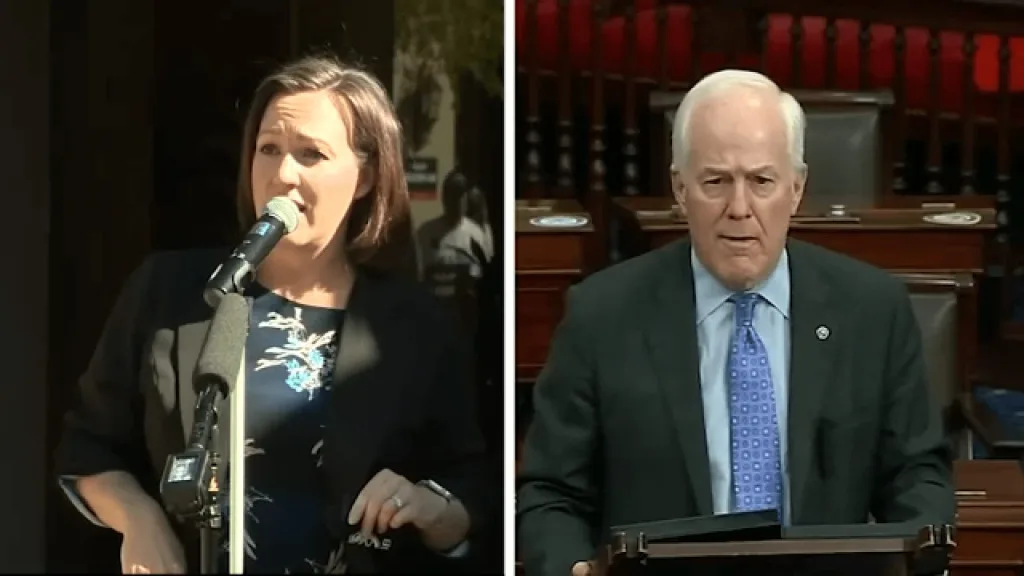
As Texas gears up for its November ballot, one glaring absence is taking center stage: the lack of debates for the U.S. Senate, governor, and lieutenant governor races. This unprecedented situation is raising eyebrows among voters and political observers alike.
In a state known for its robust political discourse, the current absence of candidate debates is unusual. Historically, debates have served as a critical platform for candidates to communicate their policies, challenge their opponents, and engage directly with the electorate. Yet, this election cycle has seen a striking trend where major candidates are opting out of this vital tradition.
The Importance of Debates in Texas Politics
Debates allow voters to gain insight into candidates’ positions on critical issues such as Texas housing, education, and economic growth. They also provide an opportunity for candidates to showcase their personalities and leadership qualities. The lack of these discussions raises concerns over transparency and accountability.
Political analysts suggest that candidates may be avoiding debates to sidestep potential pitfalls that could arise from direct confrontation. With many candidates having participated in debates in the past, their current hesitance raises questions about their confidence in addressing pressing issues head-on.
Voter Engagement and Impact
This absence could lead to a disengaged electorate, as voters may feel they lack the necessary information to make informed decisions. The Texas housing market, for example, is experiencing rapid changes with suburban growth and challenges posed by flood zones. Without debates, candidates miss an opportunity to address these critical concerns directly.
Furthermore, the absence of debates may impact voter turnout. Elections are often driven by the enthusiasm generated through candidate interactions. When candidates choose not to debate, they risk losing the personal connection that often motivates voters to head to the polls.
As Texans prepare to cast their votes this November, the hope remains that candidates will reconsider their stance on public debates. Engaging in open dialogue not only enriches the democratic process but also empowers voters to make informed choices about their leaders and the future of their state.
📰 Related coverage: