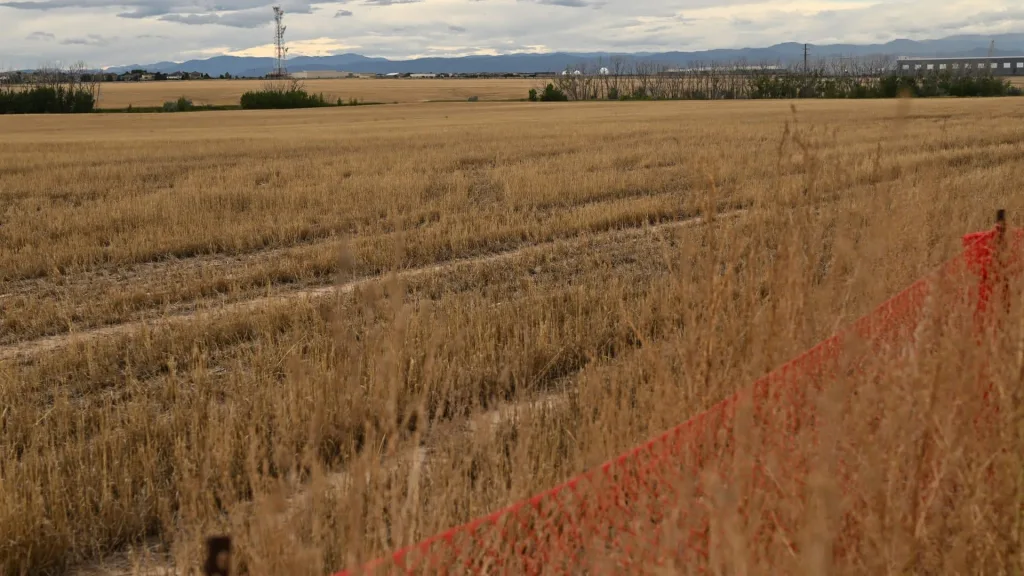
The Mormon Church is making a significant move in the rental market by developing a master-planned community near Denver, Colorado. This ambitious project, known as the Tributary community, will transform 1,000 acres of church-owned land in Aurora into a vibrant neighborhood aimed at housing approximately 12,000 residents.
This development reflects a growing trend among religious organizations looking to diversify their investments through real estate. The church’s strategic expansion not only aims to provide affordable housing options but also seeks to enhance community engagement and sustainability.
Impact on Local Rental Market
The introduction of a large-scale community like Tributary is set to impact the local rental market significantly. With the demand for housing in the Denver area continuing to rise, this development could help alleviate some of the housing shortages experienced by residents. Such projects often bring local amenities, parks, and public spaces, enhancing the overall quality of life.
For landlords and investors, the emergence of new developments like this presents both opportunities and challenges. It may stimulate competition but can also lead to increased rental income potential in the surrounding areas. Investors should consider how such developments may affect rental prices and demand as they strategize their property management and investment decisions.
Community and Sustainability Goals
Beyond just housing, the Tributary community is designed with sustainability in mind. The church aims to create an environment that fosters community interaction while promoting green living. Features such as walking paths, parks, and sustainable building practices are likely to attract environmentally conscious tenants and buyers.
As the rental market continues to evolve, staying informed about large developments like Tributary is crucial for landlords and tenants alike. Understanding how such projects affect property values, rental prices, and community dynamics can empower stakeholders to navigate the rental landscape more effectively.