In a significant shift, Airbnb has announced a bold commitment of $250 million to support the construction of affordable housing units, aiming to address the ongoing housing crisis that has burdened many urban areas. This initiative comes on the heels of criticism aimed at short-term rental platforms for exacerbating housing shortages by converting long-term rentals into vacation properties.
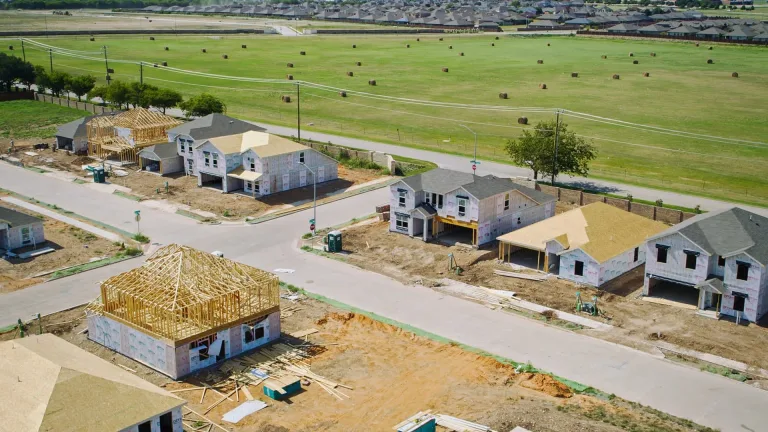
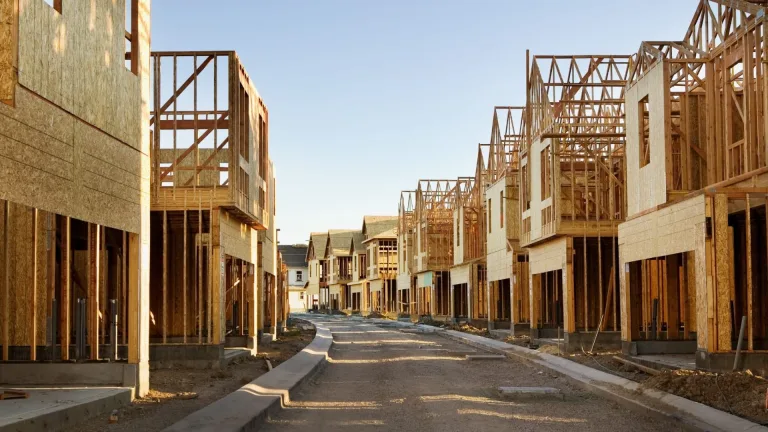
With the company reporting a staggering $12.2 billion in revenue last year, this investment marks a pivotal moment in Airbnb’s approach to its role in the housing market. The funds will be directed towards stalled housing projects, providing much-needed financial assistance to developers who are struggling to complete affordable housing units.
Impact on the Rental Market
This financial commitment could have far-reaching implications for the rental market. By reviving halted projects, Airbnb aims to increase the availability of affordable housing options, which are desperately needed in many cities. As rental prices continue to rise, especially in urban centers, this initiative could offer some relief to tenants facing steep costs.
Landlords and property investors may also find new opportunities in this changing landscape. With a focus on affordable housing, there may be incentives for developers to convert existing properties into more accessible options. This could enhance rental income potential while simultaneously addressing tenant needs for affordable living spaces.
Shifting Perspectives on Short-Term Rentals
Airbnb’s initiative represents a turning point in the ongoing conversation around short-term rentals. While many cities have imposed regulations to limit the impact of platforms like Airbnb on local housing markets, this proactive approach may help alleviate some of the backlash. By investing in affordable housing, Airbnb is positioning itself as a partner in community development rather than a hindrance.
As this initiative unfolds, both landlords and tenants will be closely watching its impact on the rental market. The collaboration between a major player in the short-term rental space and affordable housing development could signal a new pathway for future investments and a more balanced rental ecosystem.