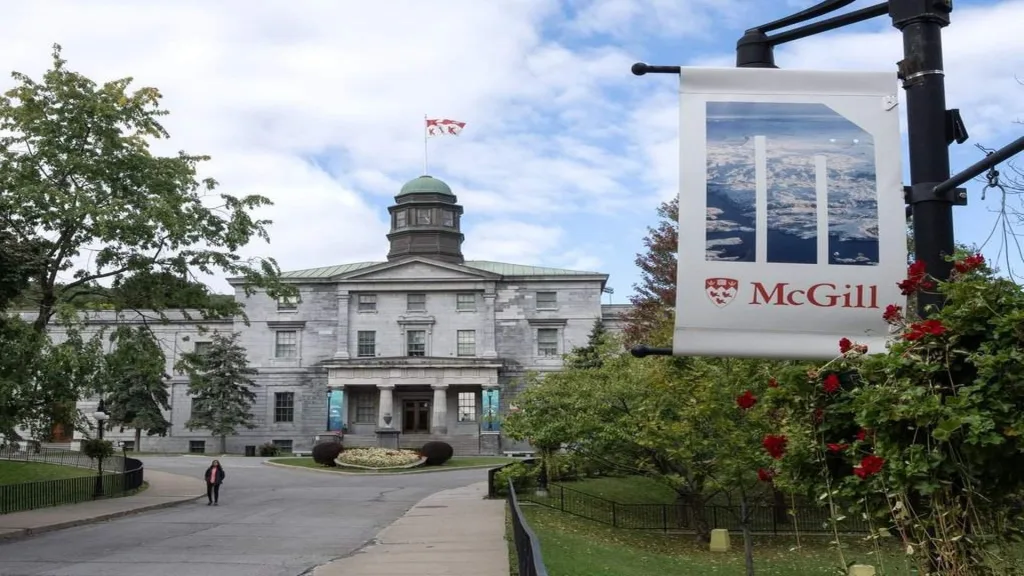
A rising tide of debate has emerged at McGill University as law students advocate for the reinstatement of a former classmate, a convicted murderer, to return to their studies. The petition, initiated by a group of law students, has sparked a significant discussion within the campus community regarding rehabilitation, justice, and the moral implications of allowing a person with such a history back into an academic setting.
The individual in question, currently on day parole, was convicted of murder several years ago. While some students argue that offering him a chance to continue his education is a step towards rehabilitation, others express concern over the message this sends about safety and accountability within the university environment.
Campus Divided Over Rehabilitation vs. Safety
The petition has garnered attention not just for its controversial subject but also for the broader implications it poses for campus policies regarding convicted felons. Proponents of the move argue that education can be a pathway to redemption, emphasizing the importance of providing second chances. “We believe in the potential for change and the role education plays in that process,” said one student involved in the petition.
On the flip side, opponents are worried about the potential risks involved in allowing a convicted murderer to engage with the student body. Concerns range from the safety of fellow students to the ethical considerations of how the university handles cases that involve serious criminal offenses. This dynamic raises challenging questions about the balance between rehabilitation and maintaining a safe educational environment.
The Role of Educational Institutions
As the conversation continues, it highlights the role of educational institutions in shaping societal attitudes towards justice and rehabilitation. Universities are often seen as places of learning and growth, but they also carry the responsibility of ensuring the safety and well-being of their students.
The outcome of this petition could set a precedent for how similar cases are handled in the future, not only at McGill but potentially across other universities in Quebec and beyond. As the debate unfolds, it serves as a reminder of the complexities surrounding criminal justice and the long road toward societal reintegration for those who have erred.
📰 Related coverage: