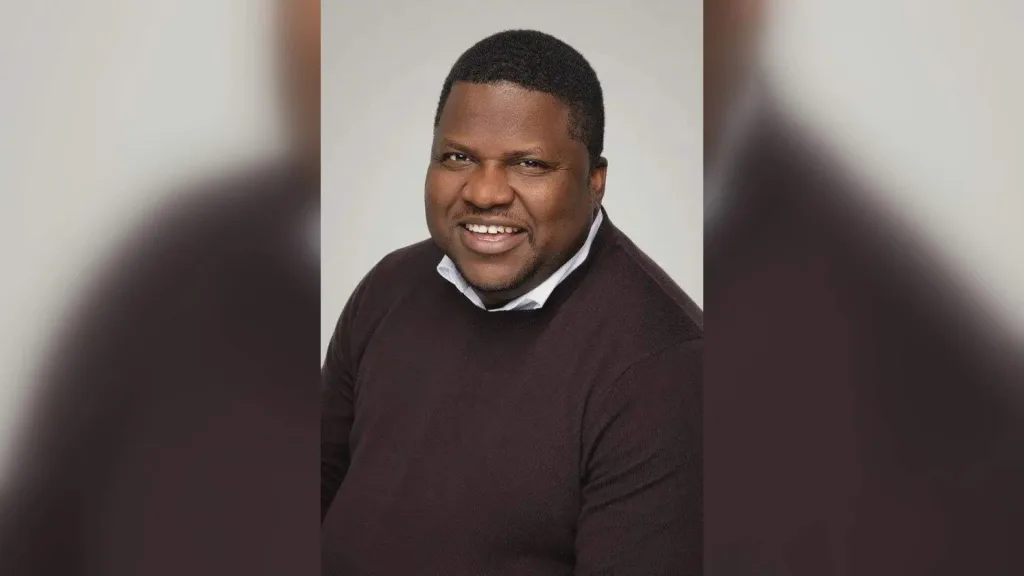
In a significant development within the literary world, Quebec author Thélyson Orélien is standing firm against allegations suggesting that his novel, “C’était ça ou mourir,” was partially written by artificial intelligence. The controversy has sparked discussions about the integrity of authorship in an age where AI-generated content is becoming increasingly prevalent.
Orélien, in a statement released by the esteemed publishing house Boréal, clarified that he began the writing process for his novel in 2017, emphasizing that every word comes from his own creativity and experiences. This assertion is particularly important as the rise of AI tools prompts both writers and readers to question the authenticity of literary works.
The Impact of AI on Literature
The allegations against Orélien highlight a growing concern in the literary community regarding the role of AI in creative writing. With tools that can generate text and mimic human writing styles, the lines between human and machine-generated content are becoming blurred. This has raised ethical questions about originality and the true essence of authorship.
In a world where readers value authenticity, Orélien’s commitment to his craft serves as a reminder of the importance of human touch in storytelling. While AI can assist in various tasks, the soul of literature remains firmly rooted in human experience.
Support from the Publishing Community
Boréal’s backing of Orélien underscores the publishing community’s dedication to preserving the integrity of literature. The support reflects a significant stance against the commodification of creativity that AI poses. By affirming their trust in Orélien, Boréal not only defends the author but also reinforces the value of genuine literary expression.
The situation also invites readers to reflect on their expectations and understanding of literature in the modern age. As technology continues to evolve, the relationship between authors and their audience may need to adapt, but the core of storytelling remains unchanged.
📰 Related coverage: