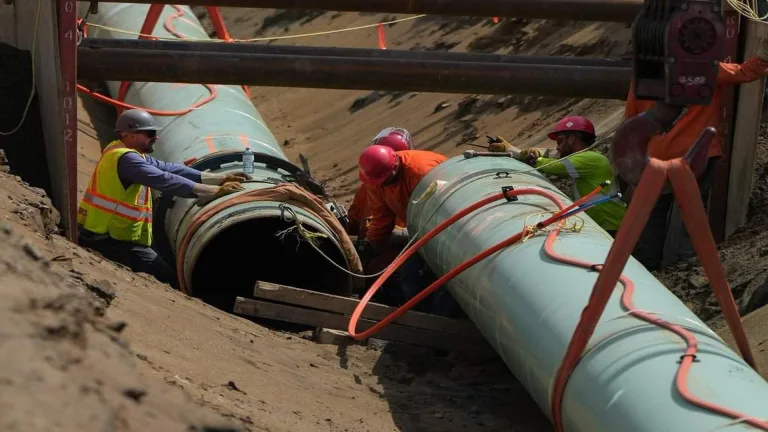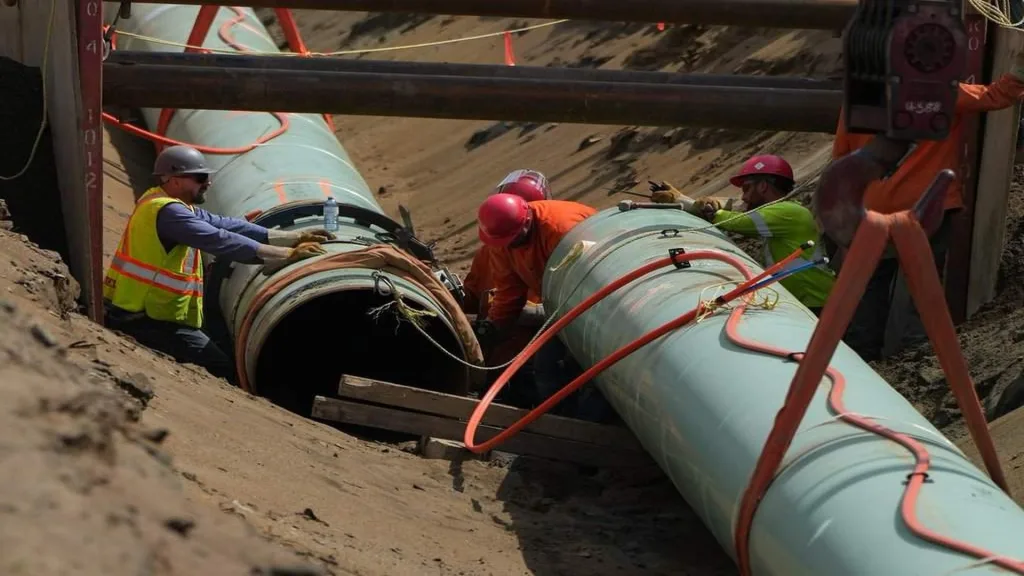
In a significant move, several First Nations in British Columbia are mounting legal challenges against the federal government’s decision to approve the Pacific Link pipeline. This project, which recently received the national interest designation under the Building Canada Act, has sparked considerable controversy and opposition among Indigenous groups.
The Pacific Link pipeline is seen as a critical infrastructure project aimed at enhancing energy transportation within the province. However, many First Nations argue that the project poses serious environmental risks and undermines their rights and interests. The legal challenges are a direct response to what these communities view as a lack of meaningful consultation and respect for their sovereignty.
Environmental Concerns at the Forefront
Environmental advocates have voiced strong concerns about the potential impact of the pipeline on local ecosystems, wildlife habitats, and Indigenous lands. The First Nations involved in the legal challenges are particularly worried about how the construction and operation of the pipeline could affect their traditional territories. As one spokesperson from the affected communities stated, “Our land and water are sacred, and any project that threatens them will be met with resistance.”
The federal government, on the other hand, maintains that the Pacific Link pipeline is essential for meeting the energy demands of British Columbia and is committed to implementing measures to safeguard the environment. They argue that the national interest designation allows for expedited development of necessary infrastructure projects. Yet, this assertion has failed to quell the concerns of the First Nations, who believe that their voices are being overlooked in the decision-making process.
The Path Ahead
The legal challenges filed by the First Nations will likely delay the pipeline’s progress as courts weigh the validity of their claims against the government’s rationale for the project. This situation underscores the ongoing battle between economic development and Indigenous rights in British Columbia. For home buyers and renters in the area, the outcome of this legal struggle could have lasting implications on property values, environmental regulations, and community health.
As this situation unfolds, it remains crucial for all stakeholders to engage in open dialogue and seek solutions that honor both the economic needs of the province and the rights of Indigenous peoples. The coming months will be pivotal in determining the future of the Pacific Link pipeline and its broader implications for the BC real estate landscape.
📰 Related coverage: