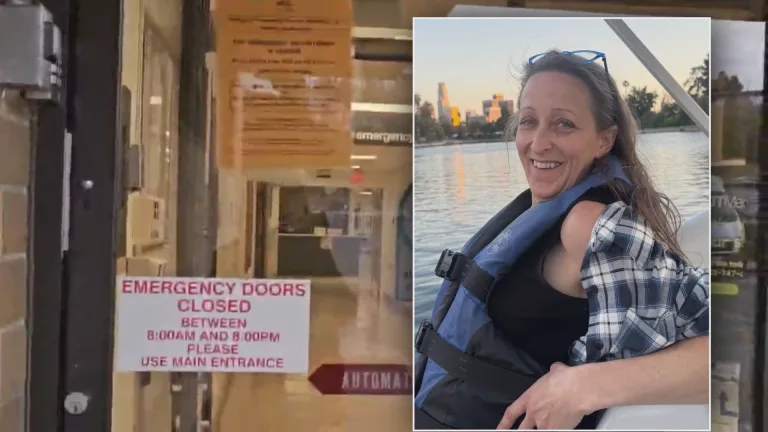
The recent death of a woman outside a closed emergency room in British Columbia has sparked immediate action from the provincial government. Premier Lorne Doerkson has committed to improving health-care staffing levels to ensure that emergency rooms and maternity wards remain open, particularly in smaller communities across the province.
In response to this tragic incident, Doerkson announced the introduction of a flexible staffing model aimed at addressing the challenges faced by rural health-care facilities. This initiative is part of a broader strategy to enhance the accessibility and reliability of health services in areas that often struggle with staffing shortages.
Investing in Rural Health
Doerkson’s administration will allocate $50 million to create a Rural Health Emergency Fund designed to support these critical services. The fund aims to provide financial resources that will allow smaller communities to maintain essential health-care operations without interruption. This commitment comes as many rural areas have faced closures and reduced operating hours for emergency services due to staffing challenges.
The Premier emphasized the importance of accessible health care, particularly in rural regions where residents often have to travel long distances for medical assistance. “We cannot allow rural communities to suffer from health-care disparities that could lead to preventable tragedies,” he stated. The new approach aims to reassure residents that their health-care needs will be prioritized.
Community Response and Expectations
Community leaders have welcomed the Premier’s pledge, highlighting the urgent need for sustainable solutions to health-care access. Local residents have expressed frustration over the lack of available services, which they believe have put lives at risk. The commitment from the provincial government is seen as a crucial step toward rebuilding trust in the healthcare system.
As the government moves forward with these plans, the focus will be on immediate implementation to avoid further incidents and to ensure that emergency rooms can handle the demands placed upon them. This situation serves as a wake-up call for the entire province about the critical state of rural health care and the need for ongoing support and investment.
📰 Related coverage: