British Columbia’s political landscape is experiencing significant upheaval as the Conservative Party leader steps down, raising questions about the party’s future and the upcoming electoral contests. With two elections potentially on the horizon, the implications for voters and the real estate market are profound.
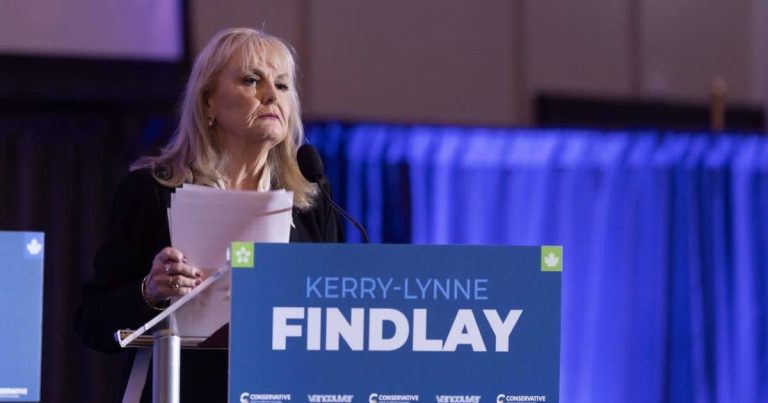
In a surprising announcement, the leader of the Conservative Party of British Columbia has resigned, prompting speculation about who will take the reins during this critical time. The resignation comes at a particularly sensitive juncture, as both local and provincial elections are set to take place in the near future. This shift in leadership could reshape the dynamics of these elections and influence policy discussions around key issues such as housing and taxation.
Impacts on Housing and Real Estate
The resignation of the Conservative leader adds another layer of complexity to BC’s already challenging housing market. With the foreign buyer tax and speculation tax continuing to be hot-button issues, the new leadership will need to address these concerns head-on. Homebuyers and renters in cities like Vancouver and Victoria are watching closely, as any changes in policy could significantly affect market conditions.
Furthermore, the potential for two elections raises the stakes for political parties and their platforms. Voters will be looking for candidates who can provide viable solutions to the housing crisis, which has seen prices soar and affordability plummet in major urban centers. The outcome of these elections could determine the direction of BC real estate policies for years to come.
What’s Next for Voters?
As residents prepare for these electoral battles, it’s crucial for them to stay informed about the candidates and their positions on pressing issues. With the Conservative Party in flux, other parties may seize the opportunity to capitalize on voter dissatisfaction and present alternative solutions. The next few months will be pivotal for the province’s political climate and its impact on the housing market.
In summary, British Columbia is entering a crucial period of political change that could significantly affect its real estate landscape. As elections loom, the decisions made by political leaders will resonate with homebuyers, renters, and real estate professionals alike.
📰 Related coverage: