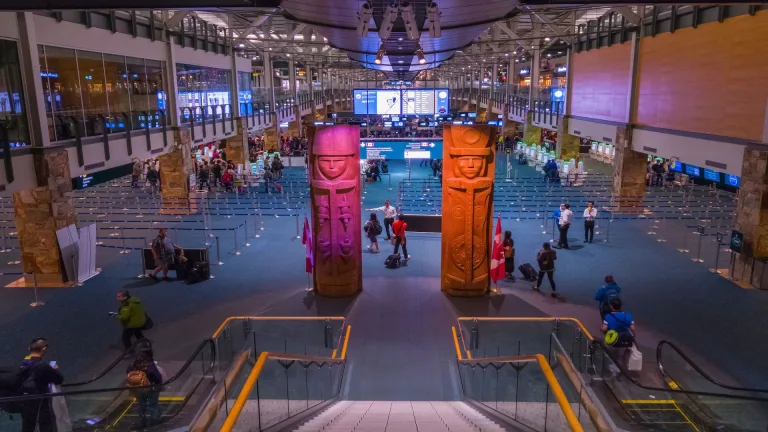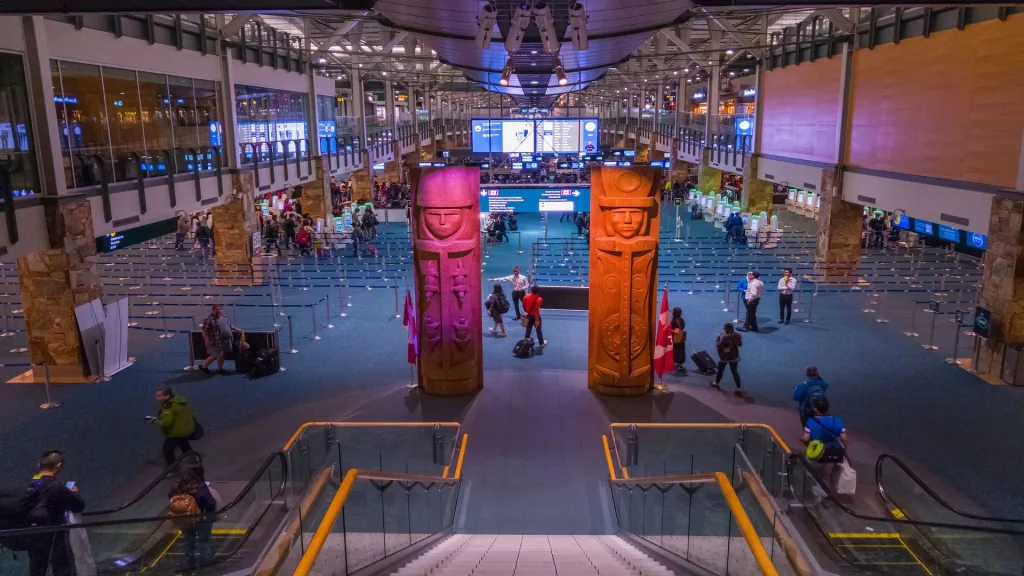
Vancouver International Airport (YVR) is poised to become the first airport in Canada to embrace privatization under Prime Minister Mark Carney’s ambitious economic strategy. This groundbreaking move could see up to a 20% stake in the airport allocated to First Nations communities, marking a significant shift in the governance of one of the country’s busiest transportation hubs.
The proposal comes at a time when airports are grappling with the financial fallout from the pandemic, and privatization is viewed as a potential solution to improve efficiency and attract investment. Carney’s vision aims not only to enhance operational capabilities but also to promote inclusivity by involving Indigenous communities in the management of critical infrastructure.
What This Means for Vancouver’s Real Estate Market
The implications of YVR’s privatization extend beyond aviation. As a vital gateway to the Pacific, Vancouver Airport plays a crucial role in regional and national economic activity. The potential for increased investment and improved services could lead to a surge in tourism and business travel, creating ripple effects throughout the local economy.
With more visitors and business opportunities, demand for housing in the Greater Vancouver area could intensify, further impacting the already competitive real estate market. Homebuyers and renters may need to prepare for potential price increases, as the influx of visitors often drives up demand for accommodation.
Involvement of First Nations: A Step Towards Reconciliation
Incorporating a First Nations stake in YVR is a forward-thinking approach that aligns with broader reconciliation efforts across Canada. This move not only acknowledges the historical significance of Indigenous land but also presents an opportunity for economic empowerment. By allowing First Nations to have a stake in the airport, the government is fostering long-term partnerships that could benefit both the local communities and the economy at large.
The privatization of YVR is still in the planning stages, and many details will need to be ironed out. However, if successful, this initiative could serve as a model for other airports across the country, potentially transforming the Canadian aviation landscape.
📰 Related coverage: