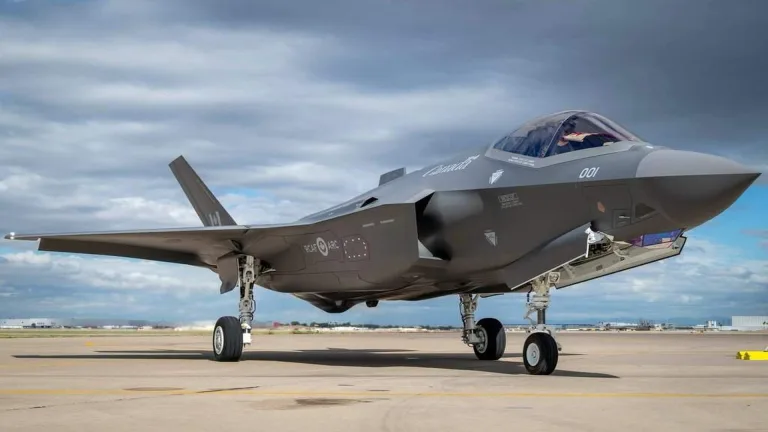
In a significant development for Canada’s defense strategy, the country has received its first F-35 stealth fighter jets from the United States, marking a pivotal moment in its military modernization efforts. This delivery arrives as Prime Minister Mark Carney has decided to pause the full order of 88 jets, indicating a potential shift towards a mixed fleet approach.
The initial delivery of the F-35s showcases Canada’s commitment to enhancing its air combat capabilities. However, the pause on the full purchase underscores the complexities of military procurement in a rapidly evolving geopolitical landscape. The decision reflects a broader reassessment of Canada’s defense needs, as the government considers the implications of integrating advanced technology with existing military assets.
Mixed Fleet Considerations
Prime Minister Carney’s move to evaluate the full order could lead to a mixed fleet that combines F-35s with other aircraft types. This approach aims to balance operational flexibility with cost-effectiveness, addressing concerns regarding affordability and maintenance of a cutting-edge fleet. The F-35 program has faced scrutiny over its costs and delays, prompting the government to explore alternatives that may better serve Canada’s strategic interests.
As interprovincial migration influences population and economic dynamics, the need for robust defense capabilities becomes increasingly vital. The F-35s, known for their advanced stealth and combat capabilities, are seen as crucial in maintaining Canada’s sovereignty and security, especially in light of rising tensions in global affairs.
Future of Canada’s Defense Procurement
The review of the F-35 order comes at a time when the Canadian military is under pressure to modernize its fleet while remaining fiscally responsible. The government aims to strike a balance between investing in cutting-edge technology and ensuring that resources are allocated effectively across various defense priorities.
As the discussion around the F-35 continues, the implications for Canada’s defense posture will be closely watched. Experts suggest that this decision could set a precedent for future military procurement strategies, highlighting the need for adaptability in a changing world.