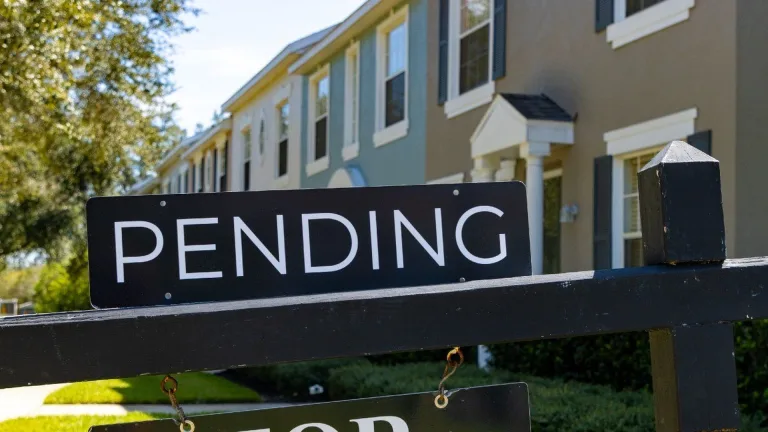
The New York City Council has taken a significant step towards addressing the challenges posed by troubled residential buildings by passing the Comprehensive Owner-Occupied Property Act (COPA). This revised legislation will cover approximately 2,100 buildings and prioritize qualified nonprofits when property owners decide to sell. This initiative aims to enhance housing stability and support community-focused development.
The COPA bill is considered a groundbreaking move in the ongoing battle against housing instability in New York City. By allowing nonprofits to have the first opportunity to purchase distressed properties, the city hopes to transform these buildings into affordable housing options, rather than letting them fall into the hands of private developers who may not prioritize community needs.
Impact on Housing Affordability
With the skyrocketing housing prices in New York, the COPA bill represents a critical effort to improve affordability. The city has been grappling with a housing crisis, marked by rising rents and a shortage of affordable units. By giving nonprofits a chance to acquire these troubled buildings, the city aims to ensure that more residents have access to safe and stable housing, which is essential for community resilience.
Moreover, the legislation is designed to empower organizations that are committed to serving the community. Nonprofits often have a deeper understanding of the local context and are better equipped to implement programs that meet the needs of residents. This could lead to more sustainable, community-oriented solutions to housing issues.
Future Implications
The passage of the COPA bill could set a precedent for how cities across the United States address similar housing challenges. As urban areas continue to face pressures related to affordability and accessibility, innovative approaches like COPA may become increasingly relevant. With the backing of local leaders and community organizations, there is hope that this initiative will not only stabilize troubled properties but also inspire a broader movement towards equitable housing policies.
As New York City moves forward with the implementation of the COPA bill, stakeholders will be watching closely. The success of this initiative could serve as a model for cities nationwide, emphasizing the importance of prioritizing community well-being in real estate transactions.