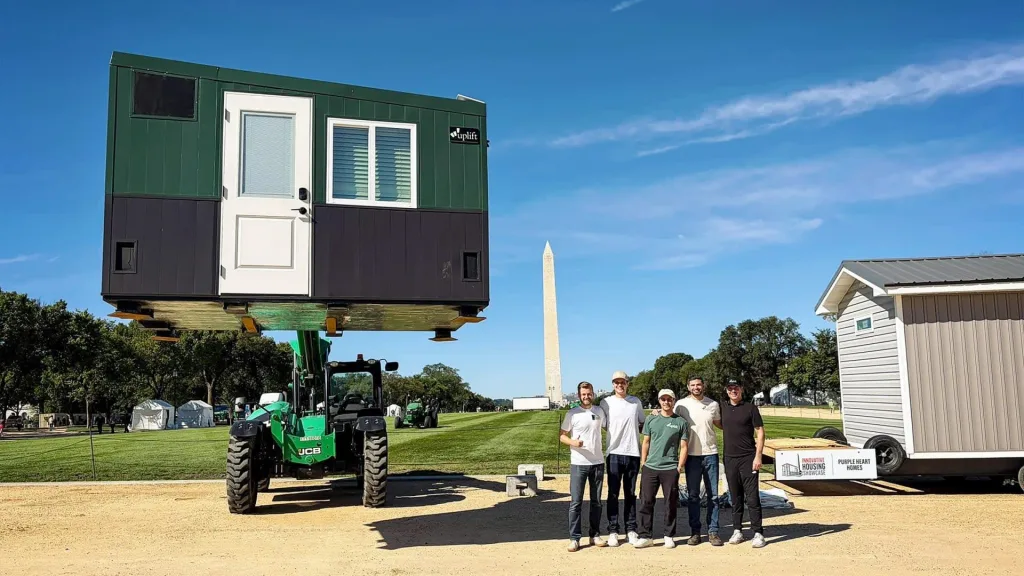
In a world increasingly prone to natural disasters and sudden housing shortages, innovative solutions are emerging. One such solution is the rise of portable microhomes designed to provide immediate shelter in times of need. These compact, mobile housing units can be swiftly deployed to areas affected by disasters, job sites requiring temporary housing, or as transitional living spaces for those in need.
Uplift Microhomes is at the forefront of this trend, offering units that prioritize both mobility and efficiency. Each microhome is designed to be easily shipped anywhere, making them a feasible option for various situations. Founder, [Name], emphasizes the importance of quick deployment, stating, “Our goal is to redefine how we think about emergency housing. We want to provide a safe, comfortable space that can be set up in a matter of hours.”
The Growing Demand for Flexible Housing Solutions
The need for flexible housing solutions has never been more apparent. Natural disasters like hurricanes and wildfires leave countless individuals without shelter, while the gig economy creates a demand for temporary housing options. Portable microhomes can fill this gap effectively. They offer not just a roof over one’s head, but also the potential for a functional living space with modern amenities.
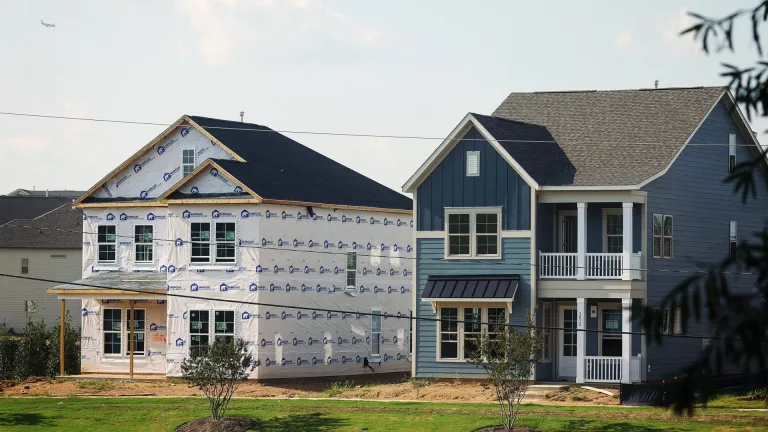
Moreover, the affordability factor cannot be overlooked. As housing prices continue to rise in major urban areas, these microhomes present a cost-effective alternative. With the average home price soaring, more people are considering options outside traditional housing markets, including microhomes. This trend not only addresses immediate needs but also represents a shift toward more sustainable living practices.
Impact on Housing Policy and Community Resilience
As communities grapple with the challenges posed by climate change and urbanization, the introduction of portable microhomes could influence future housing policy. Policymakers are beginning to recognize the potential of these units for rapidly providing shelter during emergencies. By integrating portable housing options into urban planning, cities could enhance their resilience against crises.
Additionally, organizations and governments can collaborate to create frameworks that allow for the seamless incorporation of microhomes into disaster recovery efforts. This could significantly reduce the time it takes to provide shelter to those affected by disasters, ultimately saving lives.
With the ongoing evolution of housing solutions, the concept of portable microhomes is gaining traction. As we witness the intersection of innovation and necessity, these small mobile units could reshape our approach to emergency housing and provide essential support to communities in times of crisis.