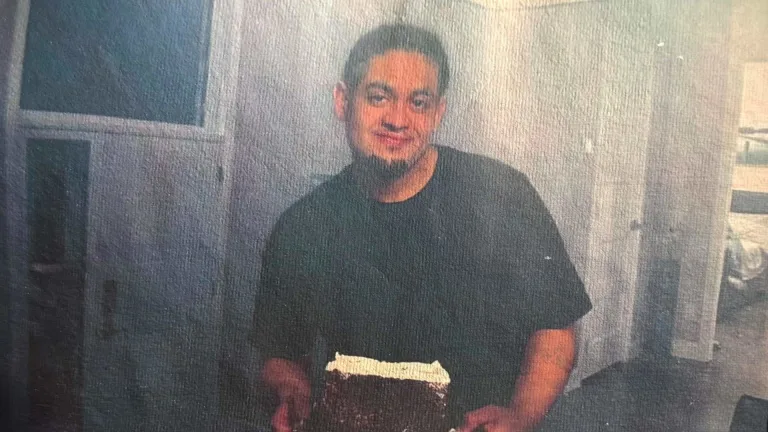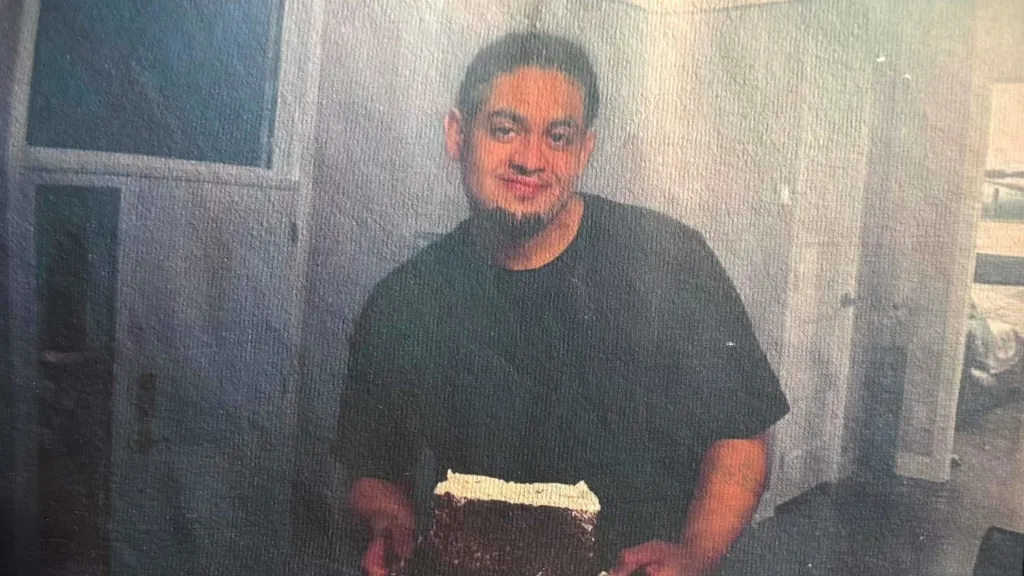
In a significant shift for law enforcement practices, the Montreal Police Service has ordered its officers to cease the use of the controversial ‘hog-tie’ restraint technique. This decision comes on the heels of a coroner’s report indicating that the method likely played a role in the death of 28-year-old Abisay Cruz.
The ‘hog-tie’ technique, which involves binding a suspect’s hands and feet together behind their back, has long been criticized for its potential to cause severe injury or even death. In Cruz’s case, the coroner highlighted that the restraint contributed to asphyxiation, raising serious concerns about its safety. The findings have reignited debates about police practices and accountability in Montreal.
Implications for Public Safety and Police Accountability
The decision to ban the hog-tie restraint aligns with a growing movement across North America advocating for police reform. Activists argue that such restraints are antiquated and disproportionately endanger vulnerable populations, particularly in moments of crisis. Montreal’s police chief has emphasized the importance of prioritizing life and safety, stating, “We must ensure that our methods of control do not lead to unnecessary harm.”
As the Montreal Police Service implements this ban, it reflects a broader trend in Quebec real estate and urban policy aimed at improving community relations and public trust. For home buyers and renters in Montreal, this shift in policing practices might contribute to a sense of safety and well-being in their neighborhoods.
What’s Next for Law Enforcement in Montreal?
Going forward, the police department is expected to introduce alternative de-escalation techniques and training programs designed to prevent violent confrontations. Such initiatives may not only improve interactions between officers and the community but also help to foster a more positive image of law enforcement in the city.
The impact of this decision could resonate beyond public safety; it may also influence the local housing market as residents seek communities committed to reform and accountability. As Montreal continues to evolve, both in terms of its housing landscape and policing methods, the call for transparency and ethical practices remains paramount.
📰 Related coverage: