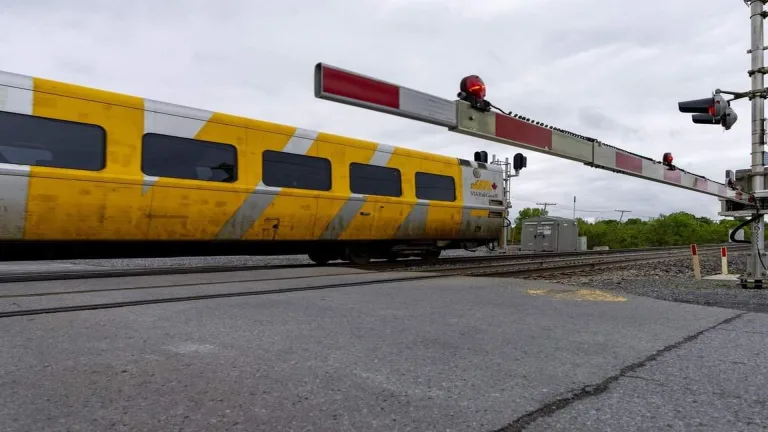
A recent study from the Union des producteurs agricoles (UPA) challenges the prevailing narrative around the high costs of implementing high-speed rail in Quebec. Instead, the agricultural group emphasizes that significant savings could be realized through the modernization of existing railway infrastructure.
The findings, compiled by Vision Transport, suggest that rather than investing heavily in new high-speed rail lines, officials should focus on upgrading current tracks to enhance efficiency and reduce costs. This approach aligns with the priorities of farmers who rely on efficient transportation for their goods.
Modernizing Rail Infrastructure: A Cost-Effective Solution
The UPA’s study highlights that modernizing existing railways could lead to improved service for both commuters and freight transport, addressing the needs of the agricultural sector, which plays a vital role in Quebec’s economy. By improving the current system, the province can avoid the hefty financial burden associated with constructing new high-speed rail lines.
Farmers have expressed concerns that high-speed rail could divert attention and resources away from projects that would directly benefit their industry. With many agricultural businesses relying on timely transportation, the existing rail network’s enhancement could lead to better access to markets and reduced delivery times.
A Call for Policy Reevaluation
The UPA’s findings prompt a critical reevaluation of transportation policies in Quebec. As the province grapples with balancing environmental concerns and economic growth, the push for rail modernization could serve as a viable middle ground. Improved rail services not only support local farmers but also contribute to reducing greenhouse gas emissions by promoting more sustainable transport options.
As policymakers consider the future of transportation in Quebec, the UPA’s study sheds light on the potential for significant savings and efficiency improvements. Embracing a strategy that prioritizes upgrading existing rail lines could ultimately serve to benefit a wider audience, from farmers to everyday commuters.
📰 Related coverage: