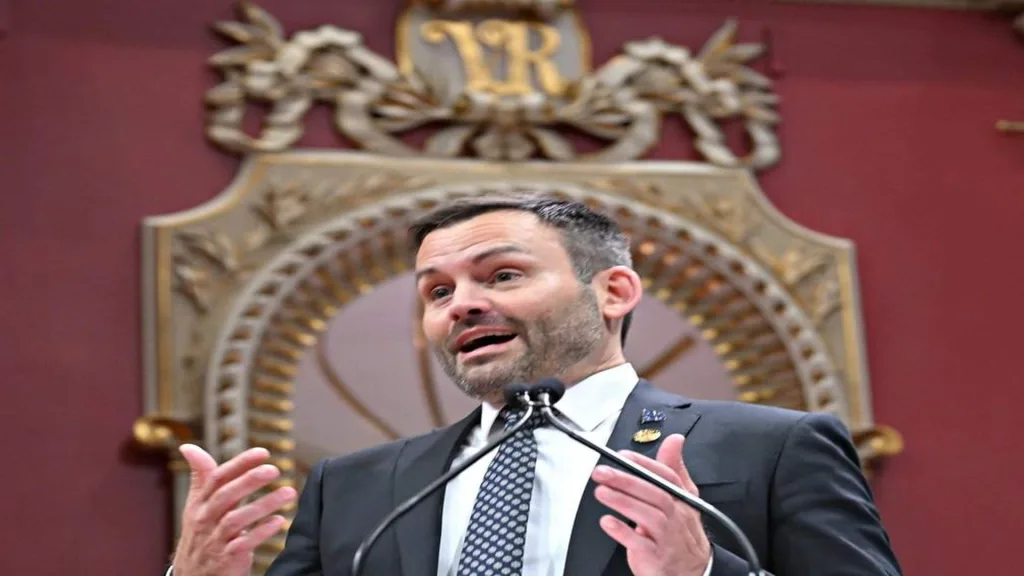
In a significant political development, Quebec Premier François Legault has declared he cannot take an oath of allegiance to the King, despite a recent ruling from the Quebec Superior Court mandating that elected officials must do so to serve in the provincial legislature. This decision has sparked intense debate in the province about the implications of such an oath in a modern society.
The court’s ruling, which came down as part of a legal challenge, emphasizes the constitutional requirement for provincial politicians to pledge loyalty to the monarchy. However, Legault’s firm stance against this oath reflects a growing sentiment among Quebecers who question the relevance of the monarchy in contemporary governance. “In Quebec, we have our own identity, and I don’t feel that I should swear allegiance to the King,” Legault stated at a press conference.
Political Implications and Public Sentiment
The Premier’s refusal to comply with the oath has raised concerns about potential political repercussions, including whether his stance could influence upcoming elections and the overall political landscape in Quebec. Many Quebecers resonate with Legault’s perspective, asserting that the province should focus on its own values and governance rather than adhere to colonial ties.
This incident also illuminates the broader dialogue about the role of the monarchy in Canada, especially in provinces with a strong sense of national identity, such as Quebec. Critics argue that maintaining ties to the monarchy is outdated, while supporters contend that it represents stability and tradition.
As the debate unfolds, it remains to be seen how the provincial legislature will respond to the court’s ruling and whether other politicians will join Legault in his refusal to take the oath. The situation poses an intriguing question: Can a province redefine its allegiance in a modern context, and what would that mean for the future of Quebec’s political identity?
📰 Related coverage: