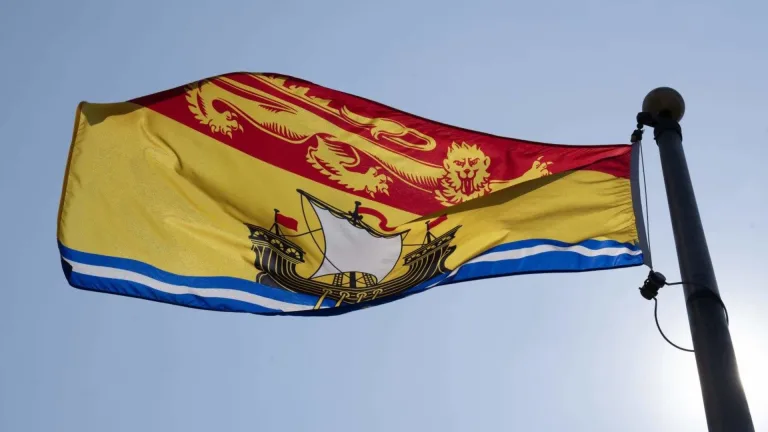
New Brunswick’s vibrant outdoor recreation sector is bracing for potential upheaval as discussions continue regarding a controversial proposal to ban American hunters and anglers from obtaining provincial licenses. This move, aimed at retaliating against U.S. tariffs, has raised alarm bells among local outfitters and industry stakeholders.
The proposed ban could have dire consequences for the province’s economy, particularly in rural areas where hunting and fishing serve as significant contributors to local incomes. Industry experts warn that curtailing access for U.S. citizens would not only deprive local businesses of much-needed revenue but could also diminish the province’s global reputation as a premier destination for outdoor enthusiasts.
The Stakes for Local Businesses
For many outfitters in New Brunswick, the influx of American hunters and anglers is vital. According to a survey by the New Brunswick Outfitters Association, approximately 40% of clients are from the United States, underscoring how integral they are to the sustainability of the industry. “A ban would be devastating,” stated a local outfitter. “We rely on these visitors not just for revenue but also for the jobs they create within our communities.”
Many businesses have invested heavily in infrastructure to accommodate these tourists, from lodges and equipment rentals to guided tours. The repercussions of a ban could lead to lost jobs and a decline in services, impacting the overall quality of life for residents in these areas.
Broader Implications for Atlantic Canada
New Brunswick isn’t alone in its reliance on outdoor tourism; other provinces in Atlantic Canada like Nova Scotia and Prince Edward Island also depend on similar markets. By restricting access to American hunters and anglers, New Brunswick risks sending them to competing destinations in neighboring provinces or even further afield, which could solidify their market share.
As the provincial government weighs its options, industry advocates urge a reconsideration of the ban. They suggest that instead of retaliation, a collaborative approach could fortify New Brunswick’s economy while maintaining healthy relations with American visitors. “We need dialogue, not division,” one industry leader remarked.
With the outdoor recreation sector under threat, stakeholders are calling for immediate action to address the tariff issue without jeopardizing the livelihoods of those who depend on the hunting and fishing industries. As discussions continue, the future of New Brunswick’s outdoor tourism hangs in the balance, highlighting the need for thoughtful policy that supports both economic interests and international relationships.
📰 Related coverage: