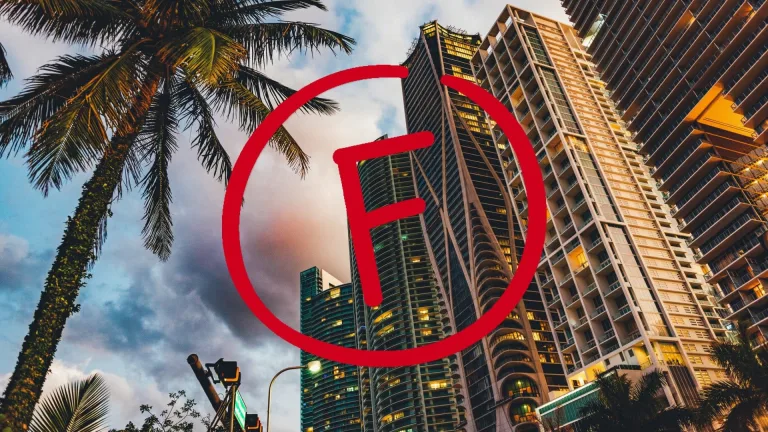
The vibrant city of Miami, once a haven for middle-class homebuyers, is now facing a significant crisis in its rental market. Recent reports indicate a sharp decline in migration to the city as rising living costs push potential residents out, transforming Miami into a luxury-centric market.
This shift in the rental landscape is alarming for landlords and tenants alike. According to industry experts, the surge in rental prices has made it increasingly difficult for middle-class families to find affordable housing options in Miami. The transformation of neighborhoods once known for their affordability into high-end enclaves is forcing many to reconsider their options.
Impact on Rental Income and Property Management
Landlords may initially see an increase in rental income as demand for luxury units rises. However, this trend may not be sustainable in the long term. As more middle-class families are pushed out, the pool of potential renters shrinks, potentially leading to higher vacancy rates in the future. Property management companies are urged to adapt their strategies to accommodate these changing dynamics.
For tenants, the situation is equally challenging. With rent control measures in place in some areas, the balance between landlord rights and tenant rights has never been more critical. Tenants are encouraged to stay informed about local regulations that could affect their rental experience, ensuring they are protected from steep rent hikes.
Future of the Rental Market
The future of Miami’s rental market remains uncertain. While luxury developments continue to rise, the question remains: what happens to the middle class? As more people are forced to leave the city in search of affordable housing elsewhere, Miami risks losing its diverse community that has long been a hallmark of its charm.
For rental property investors, understanding these trends is crucial to navigating the evolving landscape. Engaging in proactive property management and staying attuned to local market conditions can help mitigate potential losses. As cities like Toronto continue to grapple with similar issues, Miami’s situation serves as a cautionary tale for other urban centers.