In a striking display of community sentiment, voters across 12 states have shown overwhelming opposition to new data center projects, leading to significant electoral outcomes. As local ballots featured measures related to these tech infrastructures, the results point to a growing unease about the impact of data centers on neighborhoods and environments.
The wave of rejection highlights concerns about the environmental footprint of data centers, which consume vast amounts of energy and often contribute to local congestion. Many towns are prioritizing sustainable development and are wary of the potential strain on resources such as water and electricity that data centers could inflict.
Community Voices Against Data Centers
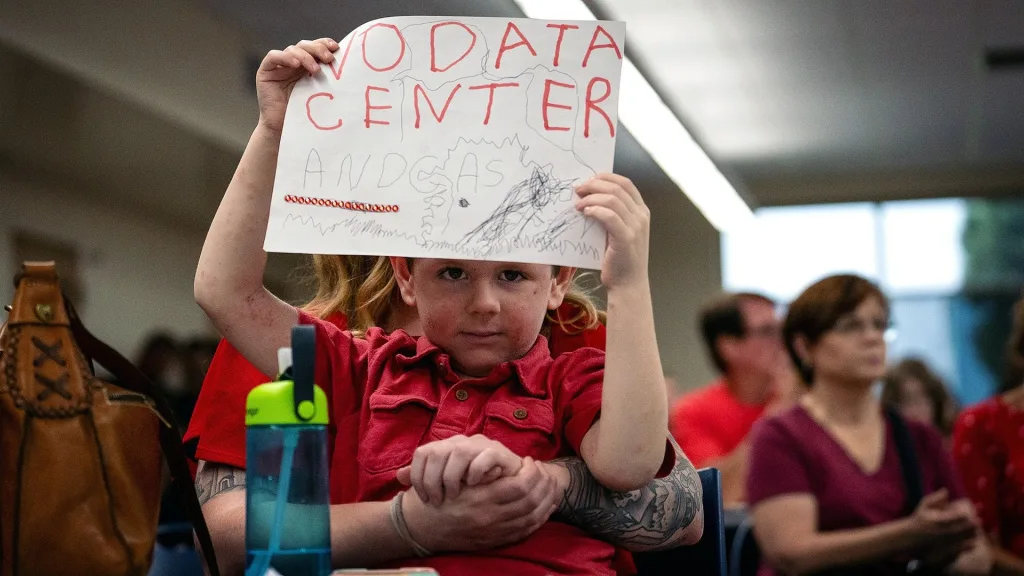
Residents have voiced their discontent over the proliferation of data centers, arguing that these facilities disrupt local ecosystems and alter the character of their communities. Some towns have cited fears of increased traffic, noise pollution, and the potential for diminished property values as key reasons for their votes against these projects.
“It’s about preserving the quality of life for our residents,” said a local council member from a town that recently voted against a proposed data center. “We need to consider the long-term effects of such large-scale developments on our community.”
The Future of Data Center Development
The results from the recent elections could signal a pivotal moment for the tech industry as it seeks to expand data center operations. With many municipalities now expressing resistance, companies may need to rethink their strategies and engage more deeply with local stakeholders before initiating new projects.
As technology continues to evolve, so too will the discussions surrounding its infrastructure. Voter sentiment suggests that a balance must be struck between technological advancement and community preservation. The dialogue around data centers is not just about the facilities themselves but about the values and priorities of the communities they aim to serve.