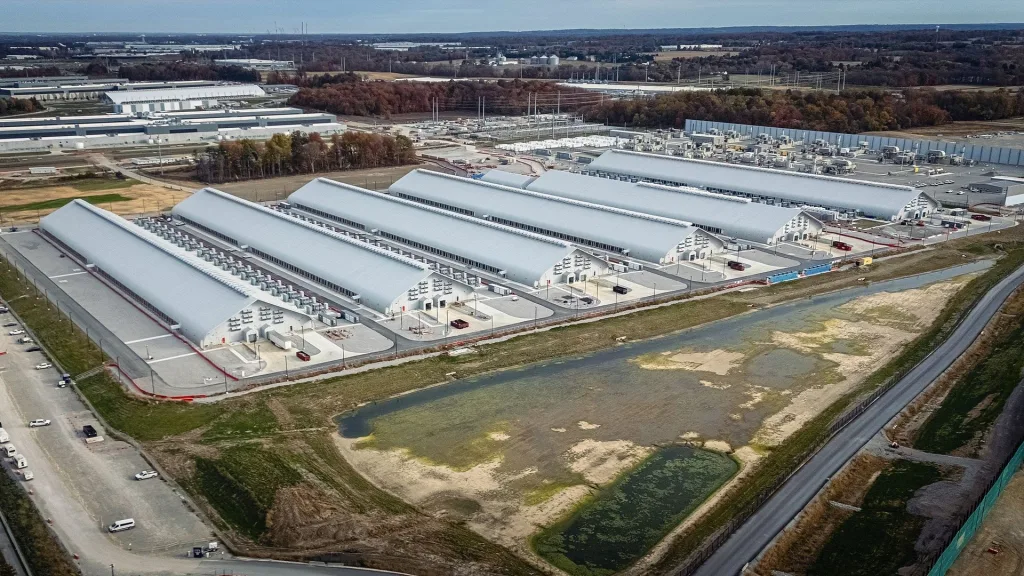
Ohio is currently at the center of a financial storm, as tax breaks for data centers have led to a staggering $374 million loss in revenue for its schools. This situation has ignited a debate about the balance between attracting tech investments and ensuring adequate funding for education.
The tax incentives, originally designed to encourage the development of data centers within the state, have resulted in an estimated $1.6 billion in taxes being skipped by developers. While the intention was to foster economic growth and job creation, the unintended consequences are hitting the educational system hard.
Impact on Education Funding
As schools struggle to cope with the financial shortfall, many are left wondering how to maintain essential programs and services. The loss of nearly $374 million has forced districts to make tough decisions, including cuts to staff, extracurricular activities, and critical educational resources. This has raised concerns among parents and educators about the long-term implications for students’ learning environments.
Local government officials and community leaders are calling for a reevaluation of these tax incentives. They argue that while attracting data centers may boost the local economy in the short term, the lack of funding for public schools could have lasting effects on the community’s future. Advocates for education are urging lawmakers to reconsider the strategy and find a more balanced approach that supports both economic development and educational needs.
Future of Data Center Tax Breaks
The backlash against Ohio’s data center tax breaks may signal a shift in how states approach economic incentives. As communities weigh the benefits of job creation against the vital need for educational funding, policymakers are now faced with the challenge of crafting solutions that do not compromise the quality of education.
The situation in Ohio serves as a cautionary tale for other states considering similar tax breaks. Ensuring that investments in technology do not come at the expense of critical services like education will be essential for sustainable growth.