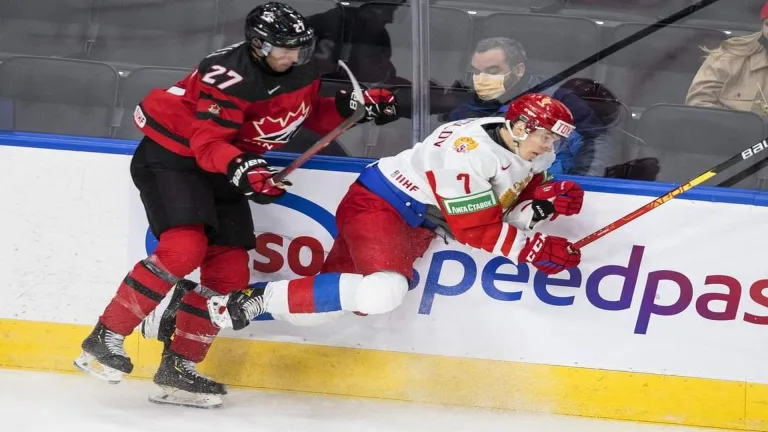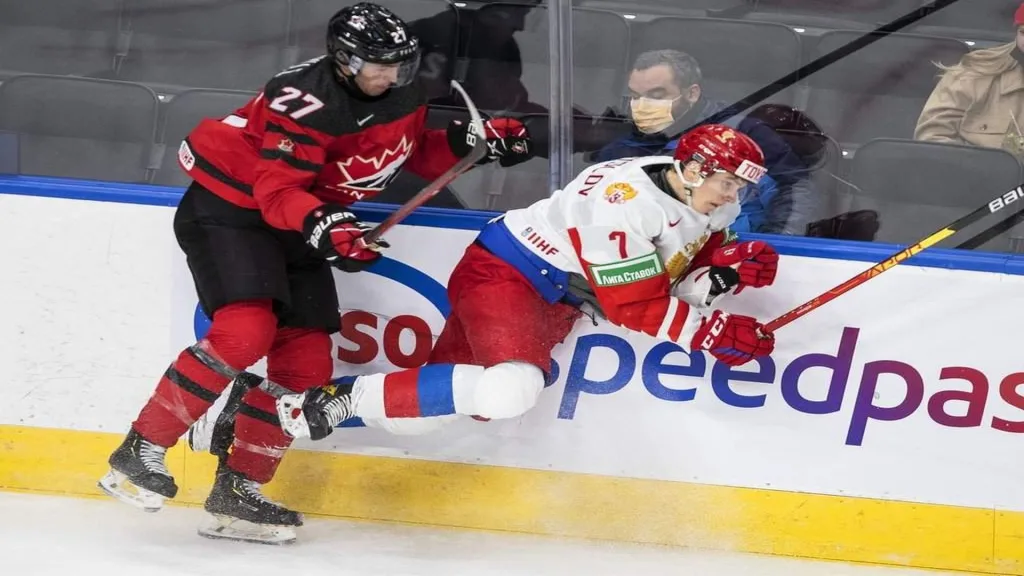
In a decisive move reflecting global sentiment against Russia, Mark Carney, the chair of Hockey Canada, announced that the country will not allow the Russian team to participate in the upcoming World Junior Championships in Alberta. This decision aligns with the growing trend among several nations, including Sweden, Finland, Denmark, and Latvia, who have all declared they will not compete against Russia in international hockey events.
The call for a boycott gained momentum following Russia’s actions on the global stage, leading to widespread condemnation from both sports and political communities. Carney stated that Hockey Canada has been urged to adhere to the stance adopted by these nations, emphasizing the importance of unity and moral responsibility in international sports.
Global Unity Against Russia
The decision comes as part of a broader effort to isolate Russia in various sectors, including sports, following its controversial actions in recent years. The international hockey community is increasingly recognizing the need for collective action to uphold the integrity of the sport. Carney noted that this move is not just about hockey; it’s a reflection of shared values and principles that transcend sports.
As the World Junior Championships approach, the absence of the Russian team will undoubtedly alter the competitive landscape of the tournament. Fans and players alike will be keen to see how this decision impacts team dynamics and the overall spirit of the event, which is celebrated for fostering camaraderie among young athletes from around the world.
The Future of International Competitions
Looking ahead, the implications of this decision may extend beyond hockey, influencing how international competitions are structured in the future. With more countries taking a stand, the potential for a reshaped international sports landscape looms large. The conversations surrounding ethics and sportsmanship are likely to intensify, prompting governing bodies to reassess their policies regarding participation and inclusion.
As this situation continues to evolve, it remains to be seen how other countries will respond and whether further actions will be taken to ensure that the values of sportsmanship and fair play are upheld globally.