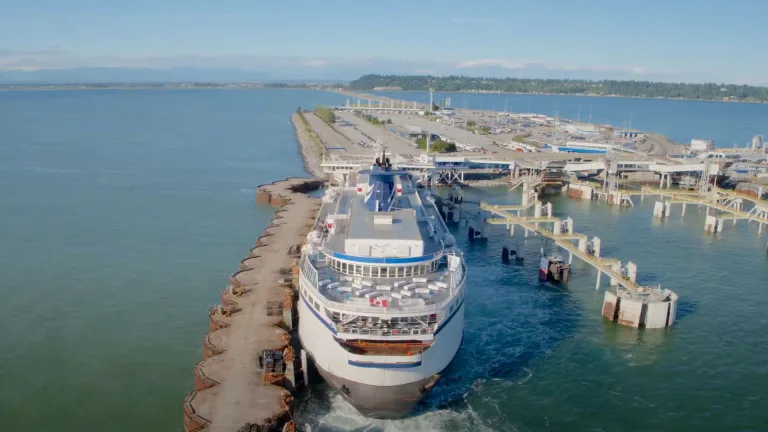
The recent announcement of $1.3 billion in federal funding for ferries in Eastern Canada has sparked significant debate in British Columbia. The BC Ferries workers union is now urging the federal government to provide comparable support for BC Ferries, which plays a crucial role in connecting communities across the province.
With ferry services being vital for both residents and the economy, the disparity in funding has raised eyebrows. The BC Ferries system is not just a transportation service; it is an essential lifeline for many island communities and remote regions. The union argues that the lack of federal investment in BC Ferries puts these communities at risk, especially as the cost of operations and maintenance continues to rise.
Impact on Communities and Economy
BC Ferries serves millions of passengers each year, making it one of the most utilized ferry systems in North America. This funding gap could have dire consequences for the affordability and reliability of ferry services. As costs increase, fares may also rise, impacting the cost of living for residents and potentially affecting tourism, which relies heavily on ferry access.
The union’s call for action comes at a time when the provincial government is also grappling with budget constraints. The recent federal investment raises questions about equity in transportation funding across Canada. Advocates are urging the federal government to recognize the unique challenges faced by BC Ferries and to allocate necessary funds to ensure that all communities have equitable access to transportation services.
What’s Next for BC Ferries?
As discussions continue, stakeholders in British Columbia are hopeful that the federal government will reconsider its funding approach and provide more support to BC Ferries in the upcoming budget cycles. Ensuring that ferry services remain affordable and reliable is critical for the sustainability of many communities in the province.
In the face of rising operational costs and increasing demand, BC Ferries must remain a priority for government funding. The union’s push for equal treatment in federal funding is not just a plea for financial support; it is a call to safeguard the future of transportation in British Columbia, ensuring that residents can access essential services without undue hardship.
📰 Related coverage: