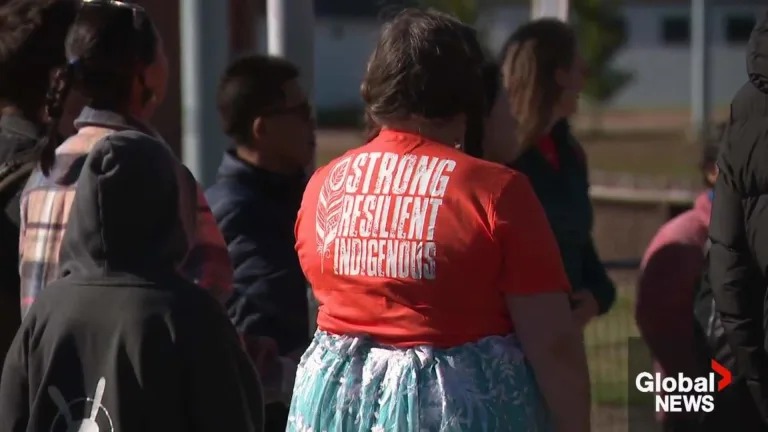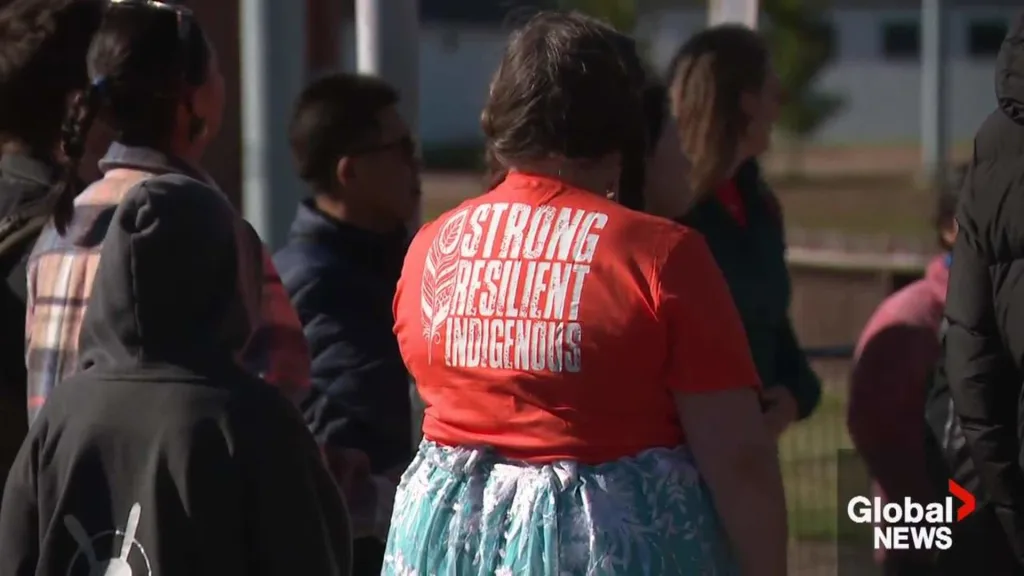
On the sixth annual National Day for Truth and Reconciliation, Fort Edmonton Park served as a poignant backdrop for reflection and remembrance of Canada’s Indigenous history. This historic site, recognized as Edmonton’s oldest, opened its doors to visitors eager to engage with the stories and experiences of Indigenous communities.
The day is significant in Canada, marking a commitment to acknowledge the injustices faced by Indigenous peoples and to foster a deeper understanding among all Canadians. Attendees at Fort Edmonton Park participated in various activities aimed at honoring this critical part of the nation’s history.
A Day of Reflection and Education
Events included storytelling sessions led by Indigenous elders and cultural performances that highlighted traditional practices. These activities provided an opportunity for visitors to learn about the resilience and contributions of Indigenous peoples over centuries. The park’s immersive environment allowed attendees to connect with the past, fostering a sense of unity and respect.
“This day is not just about remembrance; it’s about action and learning from our shared history,” said a local Indigenous leader during one of the events. Their words resonated with many, emphasizing the need for ongoing dialogue and understanding between Indigenous and non-Indigenous communities.
Importance of Commemoration in Urban Spaces
Fort Edmonton Park’s role in the National Day for Truth and Reconciliation underscores the importance of urban spaces in commemorating Indigenous history. As cities like Edmonton evolve, integrating Indigenous narratives into public consciousness becomes vital for fostering inclusivity and cultural appreciation.
As Canadians reflect on the nation’s past, the hope is that such commemorative events will pave the way for a future rooted in mutual respect and understanding. The National Day for Truth and Reconciliation serves as a reminder that the journey toward healing and reconciliation is ongoing.