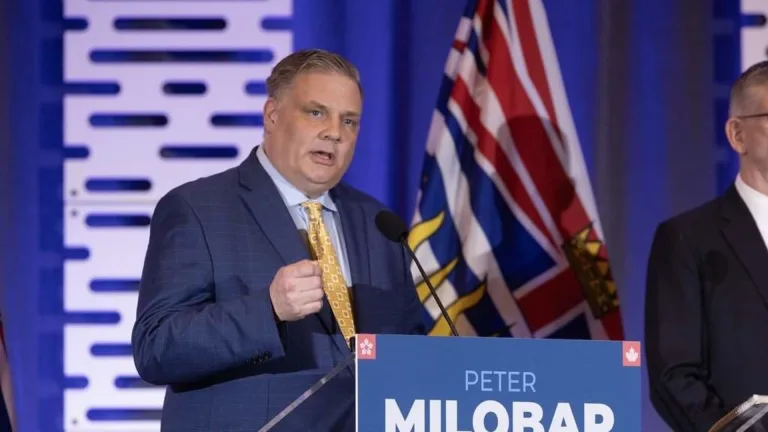
The recent acclamation of Stephen Johnston as West Kelowna’s next mayor has sparked discussions about restoring public confidence in local governance, particularly following a series of costly project overruns. Johnston, a two-term city councillor, steps into this crucial role without opposition, indicating a clear mandate from the community to address pressing issues.
In his inaugural statements, Johnston emphasized the need for transparency and accountability in municipal projects. The city has faced criticism after significant budget overruns on various initiatives, raising concerns among residents about fiscal management. “It’s essential that residents feel their tax dollars are being spent wisely,” Johnston stated, underscoring his commitment to enhance community trust.
Addressing Public Concerns
With a focus on restoring faith in local government, Johnston plans to implement more rigorous oversight of future projects. He advocates for community engagement in decision-making processes, aiming to ensure that residents are not only informed but also involved in determining how their city develops. “We need to listen to our community, understand their priorities, and act accordingly,” he said.
Johnston’s approach comes at a time when many municipalities across Canada are grappling with similar challenges. The Canadian Mortgage and Housing Corporation (CMHC) has noted that housing affordability and project management are critical areas that require public attention. As interprovincial migration continues to impact housing demands, municipal leaders must navigate these complexities carefully.
Looking Ahead
As Johnston prepares to take office, the focus will be on building a collaborative environment between the city council and its residents. By prioritizing fiscal responsibility and transparency, he aims to turn the page on the previous administration’s missteps and foster a renewed sense of trust in West Kelowna’s local government. His administration’s success will depend on how effectively it can balance development needs with community concerns, especially in an era where housing affordability remains a pressing issue for many Canadians.