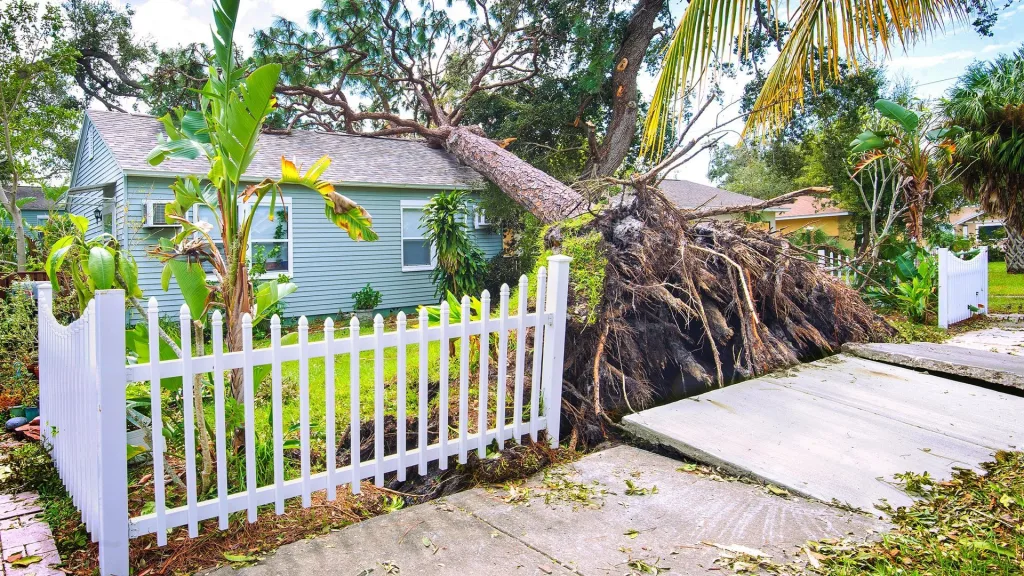
The 2026 hurricane season has concluded ahead of schedule, leaving many homeowners relieved yet cautious. While this year’s storm activity was significantly influenced by a strong Super El Niño, experts warn that the effects of this weather phenomenon are far from over. As we transition into the winter months, understanding how El Niño continues to shape our climate is vital for residents in hurricane-prone areas.
El Niño, characterized by warmer ocean temperatures in the central and eastern Pacific, has a profound impact on weather patterns across North America. This year, the Super El Niño’s influence was felt early in the hurricane season, leading to fewer storms than initially anticipated. According to meteorologists, the early end to the season offers a respite for coastal communities that often brace for heavy storms during the summer and fall months.
The Lasting Effects of El Niño
Despite the early conclusion of the hurricane season, the ongoing Super El Niño is expected to have significant implications for winter weather. Regions such as the southern United States may experience wetter conditions, while the northern areas could face colder temperatures. Homeowners should prepare for the possibility of increased precipitation and the potential for flooding, particularly in areas already vulnerable to water damage.
Furthermore, the implications of a strong El Niño extend beyond winter weather. As temperatures fluctuate, homeowners need to be alert to the risks posed by severe weather conditions that may arise. This includes being prepared for heavy rainfall and the potential for localized flooding. Investing in home protection measures, such as proper drainage systems and sump pumps, can help mitigate damage.
What Homeowners Should Do Next
As we move into winter, it’s essential for homeowners to stay informed about weather forecasts and potential El Niño impacts. Regularly checking local weather updates can provide timely information that allows for proactive measures. Additionally, engaging with community resources and understanding local emergency plans can further enhance preparedness.
While the hurricane season may have ended early, the legacy of the Super El Niño continues to shape weather patterns. Being proactive and informed is the key to navigating the challenges that lie ahead.