In a significant development for the housing market, the Mortgage Bankers Association (MBA) has released a comprehensive plan aimed at lowering borrowing costs for homebuyers. Unveiled during their annual convention in Chicago, this roadmap seeks to address the pressing issue of housing affordability, which has become a critical concern for many potential homeowners.
The MBA’s strategy outlines key policy recommendations designed to stimulate the housing market by making mortgages more accessible. One of the primary focuses is on advocating for reduced interest rates, which have been a barrier for many buyers in recent years. With rising home prices and limited housing supply, the cost of borrowing has escalated, making homeownership increasingly unattainable for first-time buyers.
Key Recommendations for Affordability
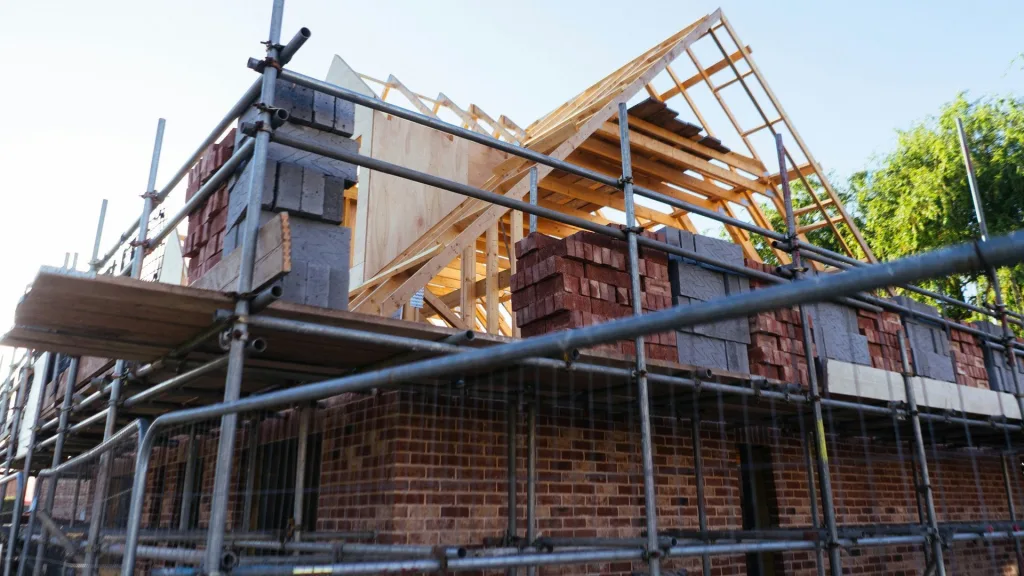
The association suggests a multifaceted approach, including enhancements to government-backed mortgage programs and incentives for new construction. By encouraging the development of more affordable housing units, the MBA aims to alleviate the current supply crunch. This could lead to a more stable housing market, where prices gradually adjust as supply meets demand.
Additionally, the MBA emphasizes the importance of collaboration between policymakers and industry players. By working together, stakeholders can create a more favorable environment for homebuyers, thereby driving demand and stimulating economic growth. The proposed measures, if implemented, could significantly impact the landscape of homeownership across various markets.
Why This Matters
For homeowners and prospective buyers, these developments signal a potential shift in the housing market. Lower borrowing costs could open doors for many who have been sidelined due to high interest rates and escalating prices. As the roadmap unfolds, it is crucial for buyers to stay informed about these changes and consider how they might affect their purchasing decisions.
As the MBA continues to push for these reforms, the hope is that the combined efforts will lead to a more balanced housing market, benefiting both buyers and the broader economy. For those in cities like New York and Los Angeles, where affordability challenges are especially pronounced, these initiatives could represent a pivotal change.