The Social Security Administration has announced a 3.6% increase in benefits for retirees in 2027, translating to an additional $75 per month for the average retired worker. While this adjustment may seem beneficial, advocates are raising concerns that the current method of measuring inflation does not adequately reflect the rising costs that many seniors face.
This increase, part of the annual cost-of-living adjustment (COLA), is designed to help retirees keep pace with inflation. However, many experts argue that the Consumer Price Index (CPI), which is used to calculate these adjustments, fails to capture critical expenses such as healthcare and housing, which have been rising at a much faster rate.
Rising Costs Challenge Seniors
For many retirees, expenses such as medical bills, prescription drugs, and housing have seen significant increases over the past few years. According to a report from the Bureau of Labor Statistics, healthcare costs have risen dramatically, often outpacing the general inflation rate. As a result, the 3.6% increase may not be sufficient to cover the gap for many seniors struggling to maintain their standard of living.
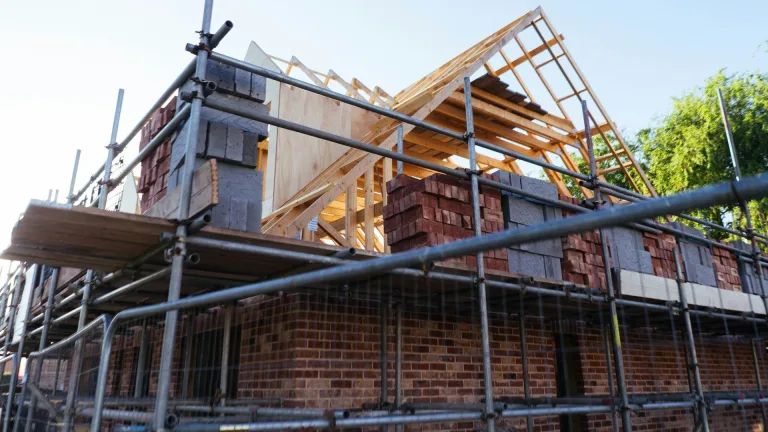
Housing costs are another pressing concern. With home prices and rent continuing to rise in many areas, retirees on a fixed income are feeling the pinch. The National Low Income Housing Coalition reported that affordable housing is becoming increasingly scarce, further complicating the financial landscape for seniors.
Calls for Change in Inflation Tracking
In light of these challenges, advocacy groups are calling for a reevaluation of how inflation is measured for Social Security adjustments. They argue that a more accurate reflection of the living costs faced by seniors is necessary to ensure that benefits keep pace with their actual needs. Suggestions include adopting a more comprehensive index that better accounts for healthcare and housing costs.
As we approach 2027, it will be crucial for policymakers to consider the implications of these adjustments on the lives of retirees. With the average benefit increase being outpaced by other rising costs, many seniors may need additional support to navigate the financial challenges ahead.