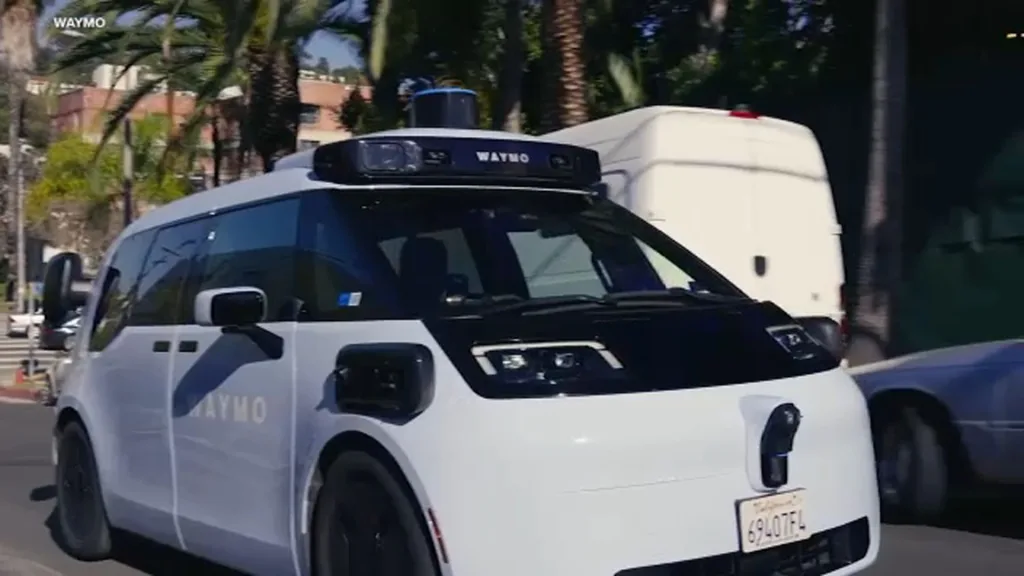
The California Department of Motor Vehicles (DMV) has recently taken a significant step by banning Waymo’s autonomous vehicles from operating on state freeways. This drastic measure comes after a series of traffic incidents raised alarms about the safety of these self-driving cars. Officials stated that Waymo’s operations posed an ‘imminent hazard to public safety,’ a decision that underscores the ongoing challenges in the realm of autonomous vehicle technology.
Waymo, a subsidiary of Alphabet Inc., has been a pioneer in the autonomous driving industry, aiming to revolutionize transportation with its self-driving technology. However, the DMV’s decision reflects growing concerns about the reliability of such systems on busy highways, where the stakes are higher. With incidents ranging from minor fender benders to more serious traffic disruptions, the state has opted to prioritize public safety over technological advancement in this instance.
What This Means for Autonomous Vehicle Development
The ban is not just a setback for Waymo but also signals a broader caution within the autonomous vehicle sector. As California remains a hub for innovation and technology, the DMV’s move may prompt other states to reconsider their regulatory approaches to self-driving cars. Experts argue that while technology is progressing, it must be matched with stringent safety standards to gain public trust.
Industry analysts have noted that such regulatory actions can impede the rapid development of autonomous vehicle technology. However, they also emphasize that safety must remain paramount. As more companies enter the autonomous driving market, the need for clear regulations and guidelines becomes increasingly critical. The DMV’s decision serves as a reminder that innovation should not come at the cost of public safety.
The Road Ahead for Waymo
In response to the ban, Waymo has stated its commitment to working closely with the DMV to address safety concerns and resume operations. This situation presents an opportunity for Waymo to improve its technology and protocols, potentially leading to a more secure environment for both passengers and other road users.
As the autonomous vehicle landscape continues to evolve, the balance between innovation and safety will be crucial. The California DMV’s actions may serve as a pivotal moment in shaping the future of self-driving cars, influencing regulations and public perception for years to come.
📰 Related coverage: