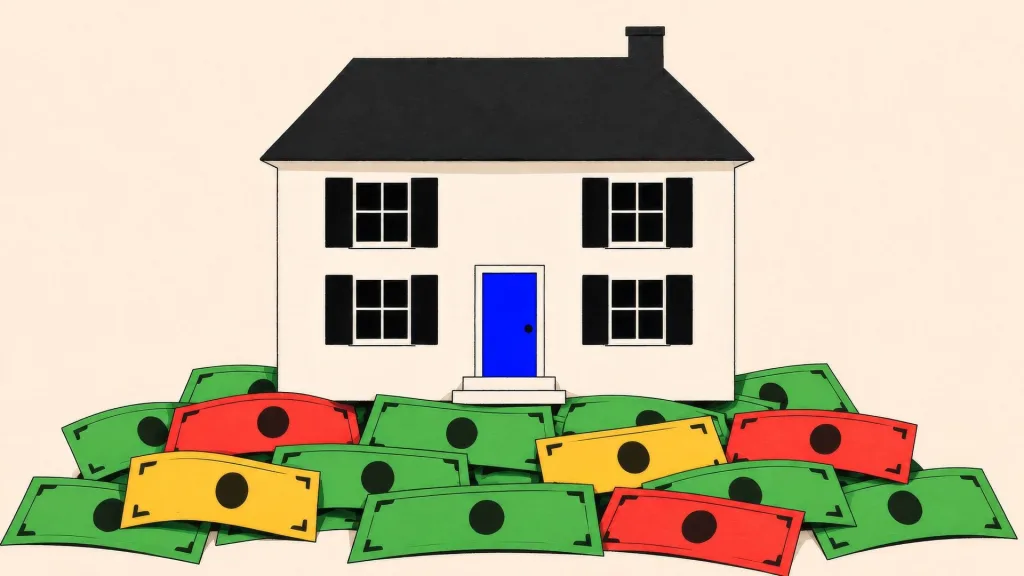
The U.S. Chamber of Commerce is championing a new bill designed to exclude capital gains taxes on profits from home sales, a move they argue could significantly enhance housing production across the nation. With the housing market struggling under current economic conditions, this legislative proposal aims to incentivize homeowners to sell, ultimately increasing the number of available homes.
Currently, homeowners can face hefty capital gains taxes when selling their properties, especially if they’ve experienced significant appreciation in value over time. This can deter many would-be sellers from listing their homes, thereby constraining the housing supply and exacerbating affordability issues. The Chamber believes that by updating this tax scheme, it can create a more vibrant housing market that encourages movement and new construction.
Impact on Home Prices and Affordability
The potential removal of capital gains tax on home sales could lead to an increase in housing inventory, which is crucial in a market characterized by high demand and limited supply. As more homes enter the market, home prices are likely to stabilize, making it easier for buyers to find homes within their budget. This is particularly important in cities like Toronto, where soaring prices have made homeownership increasingly out of reach for many.
Experts believe this legislative change could also stimulate investor interest in the housing market. With reduced tax burdens, investors may be more inclined to purchase homes, renovate them, and return them to the market, further increasing availability. Additionally, the increased competition could help drive down prices, making housing more affordable for first-time buyers.
Looking Ahead: The Future of Housing Production
The Chamber’s proposal is a part of a broader strategy to revitalize the housing sector and address the ongoing crisis of affordability. By incentivizing homeowners to sell and investors to participate, the hope is to create a more dynamic market that can respond to demand shifts and help alleviate pressure on buyers. As discussions around this bill progress, stakeholders in the real estate sector will be watching closely to see how these changes could reshape the landscape of homeownership in America.