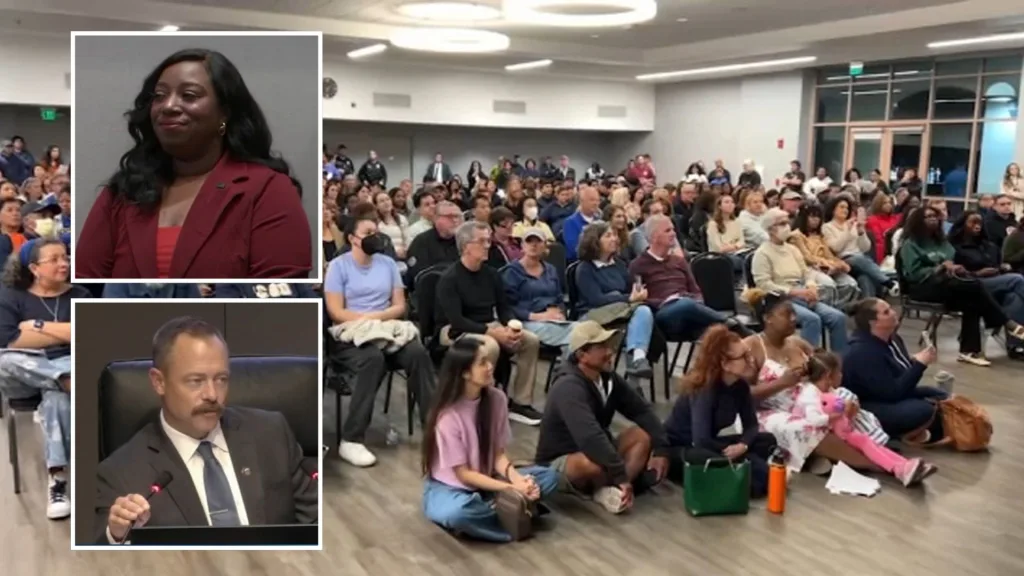
In a surprising turn of events, the outgoing mayor of Tustin has decided to retract plans to make board appointments just before the new mayor’s term begins. This decision came after a significant public outcry during a recent City Council meeting where residents voiced their concerns about the potential power shift.
At the heart of the issue was the outgoing mayor’s proposal to finalize appointments to various city boards and commissions before stepping down. Many residents felt this move undermined the authority of the incoming mayor, who was elected to lead the city in a new direction. The meeting, which attracted a large turnout, showcased a community deeply engaged in local governance and committed to holding elected officials accountable.
Community Voices Resonate
Residents expressed their discontent with the outgoing mayor’s plan, emphasizing the importance of transparency and collaboration in city leadership. “We elected a new mayor for a reason, and we want to ensure that they have the opportunity to shape the future of Tustin,” stated one resident during the meeting. The passionate response from the community clearly demonstrated that Tustin citizens are keen on maintaining a democratic process.
As the meeting progressed, council members acknowledged the public sentiment, leading to the mayor’s eventual decision to drop the controversial plan. This move suggests a willingness among local leaders to listen to constituents and adapt to their needs, fostering a more inclusive political environment.
Implications for Local Governance
The incident underscores the importance of community involvement in local governance, particularly in Southern California cities like Tustin. As the housing market continues to evolve and challenges such as rent control and wildfire risk loom, effective leadership becomes crucial. The ability of residents to voice their concerns and influence decision-making processes is essential for ensuring that elected officials remain accountable.
This episode in Tustin serves as a reminder that civic engagement can lead to meaningful change. It highlights the role that residents play in shaping their city’s policies, especially during transitions between administrations. As the new mayor prepares to take office, it will be interesting to see how these dynamics influence future initiatives and community relations.
📰 Related coverage: