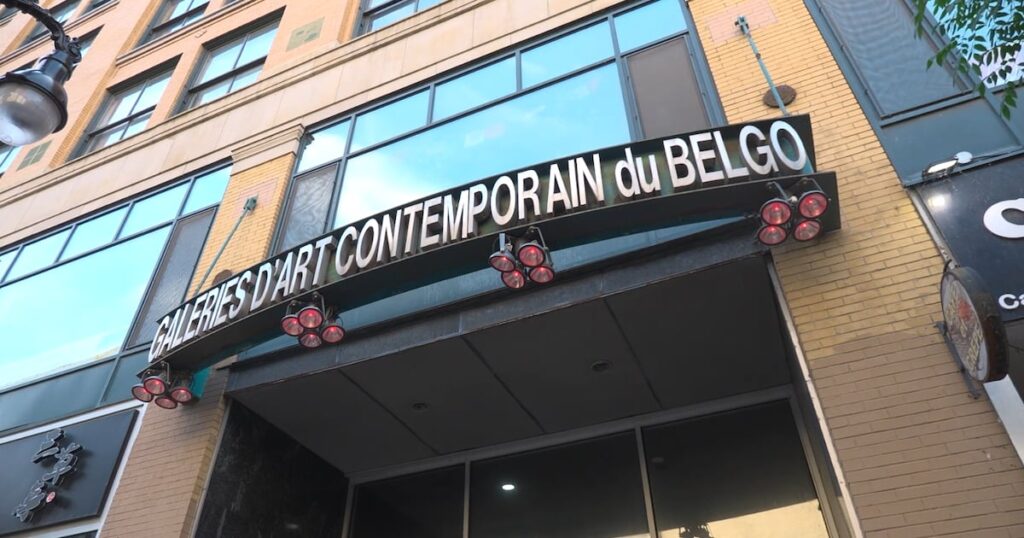
The future of Montreal’s vibrant art scene is hanging in the balance as the Belgo building, a significant hub for local artists, has been put up for sale. This decision raises urgent concerns among gallerists and artists about the continued availability of affordable creative spaces amidst a rapidly changing real estate market.
The Belgo building has long been a cornerstone of Montreal’s artistic community, hosting dozens of galleries and studios that support both emerging and established artists. With its potential sale, stakeholders worry about the availability of creative spaces and the cultural implications for the city. If the new owners choose to convert the space for commercial purposes or redevelop it entirely, it could lead to a displacement of many artists who rely on this venue for their livelihoods.
For Francophone and bilingual buyers, the impact of such changes can extend beyond the arts. As real estate dynamics shift, the cost of living and available housing options in the surrounding areas may also fluctuate. Local businesses could see a decline in foot traffic if the area loses its cultural appeal, potentially affecting property values and investment opportunities for those eyeing long-term growth in their real estate portfolios.
It is imperative for business owners and professionals to consider how these developments might influence their long-term plans. Those planning to relocate or expand their operations in Montreal should monitor not only real estate trends but also the cultural landscape, which plays a crucial role in attracting new residents and customers.
In a broader context, the situation in Montreal mirrors challenges faced by urban centers across Canada and the United States. Cities are witnessing rapid transformations due to rising property prices and gentrification, often leading to cultural hubs being displaced. In response, many local governments and communities are advocating for policies that protect artistic spaces and promote affordable housing solutions.
As you contemplate the implications of these changes, here are a few questions to consider that may help deepen your understanding:
1. How will the potential loss of cultural hubs such as the Belgo building affect Montreal’s attractiveness to new residents?
2. What are the current trends in property listings around the Belgo building, and how might they change if the sale proceeds?
3. Should I investigate multi-generational housing options in Montreal, given the shifting landscape of available spaces?
By remaining informed and proactive, you can navigate the complexities of the Montreal real estate market while aligning your investments with the city’s evolving identity.
——————–
El futuro de la vibrante escena artística de Montreal está en equilibrio, ya que el edificio Belgo, un importante centro para artistas locales, ha sido puesto en venta. Esta decisión plantea preocupaciones urgentes entre galeristas y artistas sobre la disponibilidad continua de espacios creativos asequibles en medio de un mercado inmobiliario en rápida transformación.
El edificio Belgo ha sido durante mucho tiempo una piedra angular de la comunidad artística de Montreal, albergando docenas de galerías y estudios que apoyan tanto a artistas emergentes como establecidos. Con su posible venta, los interesados temen por la disponibilidad de espacios creativos y las implicaciones culturales para la ciudad. Si los nuevos propietarios deciden convertir el espacio en fines comerciales o redeveloparlo por completo, podría llevar al desplazamiento de muchos artistas que dependen de este lugar para sus medios de vida.
Para los compradores francófonos y bilingües, el impacto de tales cambios puede extenderse más allá de las artes. A medida que la dinámica inmobiliaria cambia, el costo de vida y las opciones de vivienda disponibles en las áreas circundantes también pueden fluctuar. Las empresas locales podrían ver una disminución en el tráfico peatonal si el área pierde su atractivo cultural, lo que podría afectar los valores de propiedad y las oportunidades de inversión para aquellos que buscan un crecimiento a largo plazo en sus carteras de bienes raíces.
Es imperativo que los dueños de negocios y profesionales consideren cómo estos desarrollos podrían influir en sus planes a largo plazo. Aquellos que planean reubicarse o expandir sus operaciones en Montreal deben monitorear no solo las tendencias inmobiliarias, sino también el paisaje cultural, que juega un papel crucial en la atracción de nuevos residentes y clientes.
En un contexto más amplio, la situación en Montreal refleja desafíos enfrentados por centros urbanos de todo Canadá y Estados Unidos. Las ciudades están presenciando transformaciones rápidas debido al aumento de precios de propiedad y la gentrificación, lo que a menudo lleva al desplazamiento de núcleos culturales. En respuesta, muchos gobiernos locales y comunidades están abogando por políticas que protejan los espacios artísticos y promuevan soluciones de vivienda asequible.
Mientras contemplas las implicaciones de estos cambios, aquí hay algunas preguntas que considerar que pueden ayudar a profundizar tu comprensión:
1. ¿Cómo afectará la posible pérdida de núcleos culturales como el edificio Belgo la atractividad de Montreal para nuevos residentes?
2. ¿Cuáles son las tendencias actuales en listados de propiedades alrededor del edificio Belgo, y cómo podrían cambiar si la venta procede?
3. ¿Debería investigar opciones de vivienda multigeneracional en Montreal, dado el paisaje cambiante de espacios disponibles?
Al mantenerte informado y proactivo, puedes navegar las complejidades del mercado inmobiliario de Montreal mientras alineas tus inversiones con la identidad en evolución de la ciudad.
📰 Related coverage: