In a move that could significantly impact residents and businesses alike, New Brunswick’s public utility has proposed an average electricity rate increase of 5.5% per year for the next three years. This decision comes in response to rising operational costs and is aimed at maintaining the stability of the province’s energy infrastructure.
The proposed hikes have raised eyebrows among New Brunswick home buyers and renters, as they consider the implications for their monthly utility bills. The utility, which serves a large number of households, explained that the increases are necessary to ensure reliable service and investment in aging infrastructure.
What This Means for New Brunswick Residents
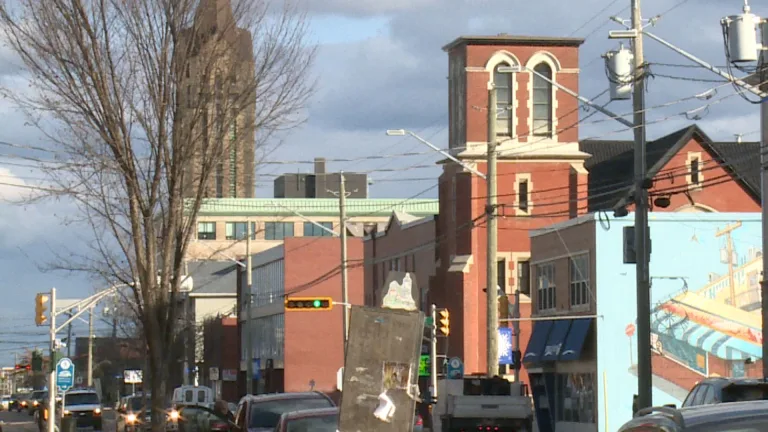
For those contemplating a move to Atlantic Canada, particularly to cities like Moncton and Saint John, these proposed rate hikes could be a pivotal factor in budgeting for new homes or rental properties. With affordability becoming a key concern in the housing market, potential residents must weigh these utility costs against the province’s overall attractiveness.
New Brunswick has long been considered one of the more affordable provinces in Canada, but these proposed increases could alter that perception. The utility’s justification for the hikes includes not only rising costs but also the need to upgrade and maintain the grid to meet future demands.
Community Reactions and Next Steps
Community leaders and local advocacy groups have expressed concerns about how these rate hikes could disproportionately affect low-income households. Many residents are now looking towards public consultations to voice their opinions and seek alternatives to mitigate the impact of these increases.
As New Brunswick continues to experience growth and interest from new residents, understanding the implications of rising utility costs is essential for anyone considering a move to this vibrant region. Prospective buyers and renters are encouraged to stay informed about these developments as they could play a significant role in the overall cost of living in the province.
📰 Related coverage: