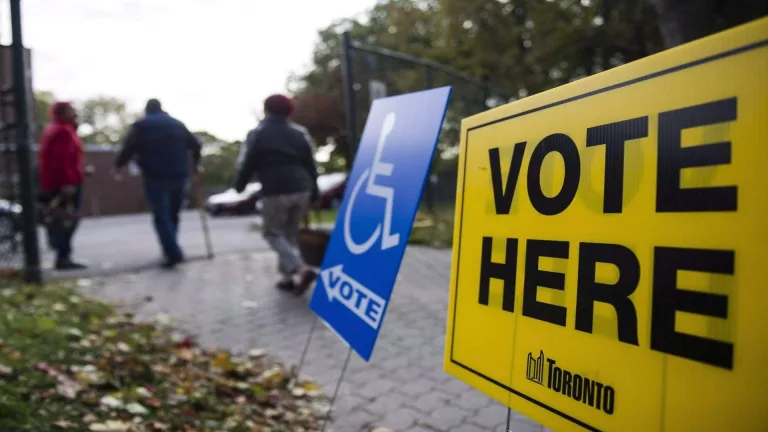
As the midterm elections approach, housing affordability has surged to the forefront of issues that matter most to Gen Z voters. This demographic, known for its engagement and activism, is prioritizing the soaring costs of housing as they prepare to cast their ballots.
Recent surveys reveal that more than 60% of Gen Z voters identify housing affordability as their top concern. This is a significant shift in priorities, underscoring the challenges many young people face today when it comes to entering the housing market. Rising property values and increasing mortgage rates are making it harder for them to secure affordable housing options.
Understanding the Housing Crisis
The current housing market crisis is fueled by a combination of factors, including limited housing supply and escalating demand. Many Gen Z individuals are entering the workforce, yet they find themselves priced out of the very homes they aspire to buy. With student debt, stagnant wages, and high living costs, the dream of homeownership feels increasingly out of reach.
This situation is not just a personal concern for these young voters; it reflects broader economic trends that could impact the stability of the housing market. As housing costs rise, the potential for a generation of renters persists, which could have lasting effects on property values and the economy as a whole.
The Call for Action
In light of these challenges, Gen Z voters are not just voicing their concerns; they are calling for action. Many are advocating for policies that promote affordable housing development, such as increased funding for affordable housing projects and reforms to zoning laws that could facilitate the construction of more homes. Their collective voice is expected to shape the policies of the future, challenging candidates to prioritize housing issues in their platforms.
With midterm elections looming, candidates would do well to heed the concerns of this influential demographic. Addressing the affordability crisis could not only sway Gen Z votes but also create a more sustainable housing market for generations to come. The housing landscape is changing, and understanding the needs of younger voters is crucial for any successful campaign.