The Northeast is on the brink of a transformative shift in its housing landscape, with the potential for a surge in factory-built homes. Thanks to recent provisions in the 21st Century Road to Housing Act, manufactured housing is gaining traction, promising to offer affordable solutions for many home buyers in this region.
As real estate trends indicate a growing demand for affordable housing, cities in the Northeast are uniquely positioned to capitalize on this revolution. The combination of rising property values and increasing mortgage rates has many potential buyers looking for alternatives to traditional homes. Factory-built homes offer an attractive option that can alleviate some of these pressures.
Manufactured Housing: A Solution to Affordability
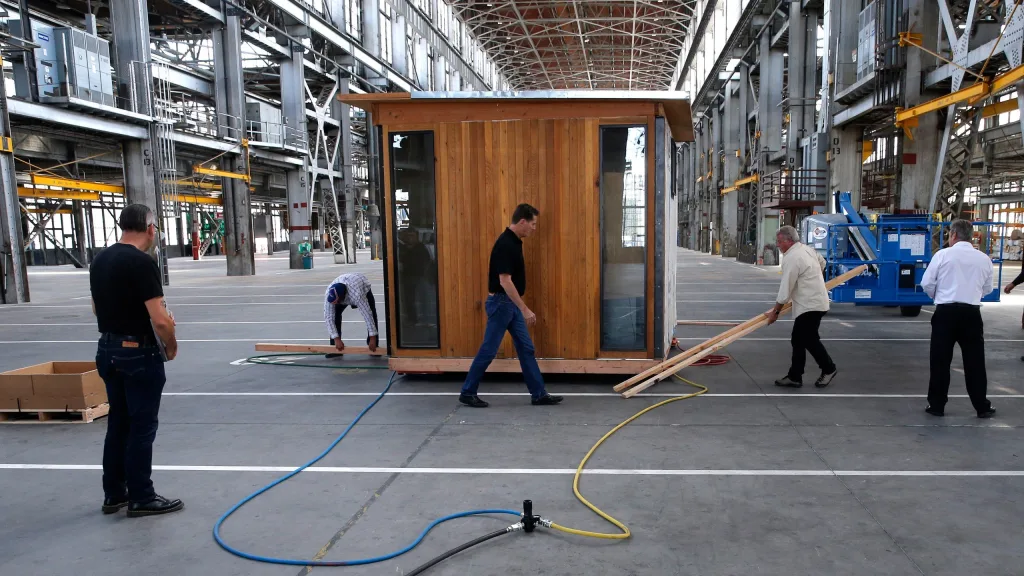
Manufactured housing, often perceived as a less desirable option, is undergoing a significant rebranding. Modern designs, energy efficiency, and cost-effectiveness make these homes appealing to a wider audience. For first-time buyers and those seeking to downsize, factory-built homes can provide a viable path to homeownership without the financial burden typically associated with traditional housing.
According to industry experts, the shift towards factory-built housing is not merely a trend but a necessary response to the current housing crisis. “The affordability crisis in many cities cannot be ignored, and factory-built homes represent a practical solution that meets the needs of today’s buyers,” says a leading real estate analyst.
Cities That Could Benefit
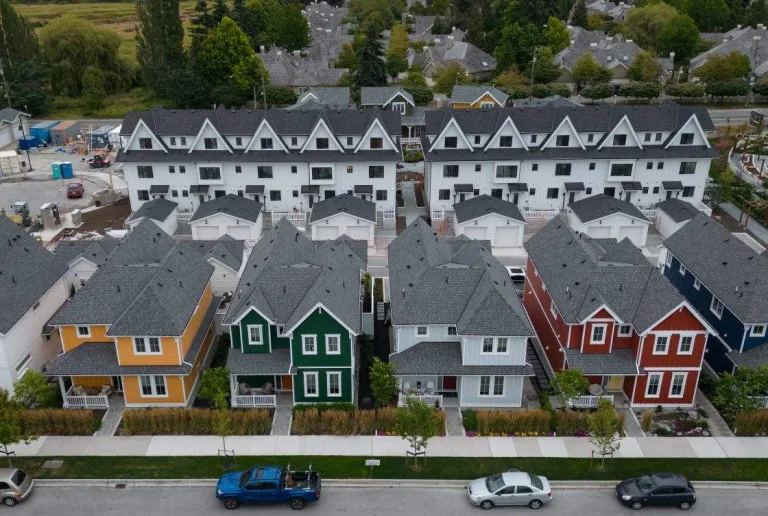
Several cities in the Northeast stand out as prime candidates for this housing boom. Locations such as Philadelphia and Boston are already experiencing high demand for affordable housing options, making them ripe for the introduction of manufactured homes. These cities, with their existing infrastructure and strong job markets, can support this new wave of housing.
Moreover, as communities begin to embrace factory-built homes, it can lead to increased property values and revitalized neighborhoods. The acceptance and integration of these homes could shift perceptions and create a more diverse housing market.
As the Northeast prepares to embrace this new housing trend, stakeholders from real estate investors to city planners must consider the potential impact of factory-built homes. By tapping into this opportunity, the region can address its pressing housing needs while providing affordable options for its residents.