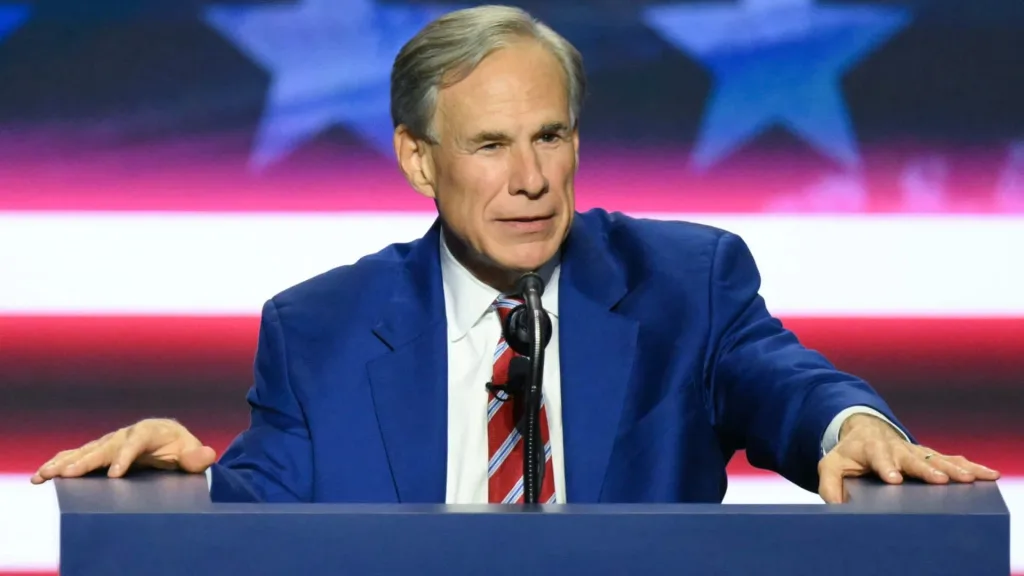
In a surprising move that has significant implications for the state’s booming tech industry, Texas Governor Greg Abbott has halted permits for new data centers. This decision comes in response to growing public concern over environmental impacts and has put Abbott at odds with former President Donald Trump, who previously supported the expansion of such facilities.
Texas has rapidly become the leading state for data center construction, outpacing traditional hubs like Virginia. According to recent reports, the Lone Star State has attracted major investments due to its favorable business climate and lower operating costs. However, these advantages have also led to increased scrutiny from local communities worried about the environmental consequences of these massive facilities.
Environmental Concerns Spark Government Action
The governor’s decision to pause data center permits signals a shift in priorities, as Abbott aims to address the environmental challenges associated with rapid tech growth. The move has been welcomed by some environmental advocates who argue that the unchecked expansion of data centers can strain local resources and contribute to pollution. Abbott has also indicated plans to review and potentially eliminate state incentives for data centers, a bold step that could reshape the landscape of tech investment in Texas.
Critics of the data center expansion point to issues such as excessive water consumption and energy use, particularly in a state already facing drought conditions. This halt in permits not only reflects growing public discontent but also raises questions about the future of Texas as a tech hub.
What This Means for the Housing Market
The suspension of data center permits could have ripple effects across the Texas housing market. With tech companies often bringing jobs and economic growth, their expansion typically stimulates housing demand in nearby areas. However, if the state scales back on these developments, it may lead to a slowdown in housing demand, affecting home prices and property values.
As buyers and sellers navigate this evolving landscape, understanding the broader implications of such governmental decisions will be crucial. Investors looking to capitalize on Texas real estate must remain vigilant about these regulatory changes, as they could impact both short-term market trends and long-term property values.