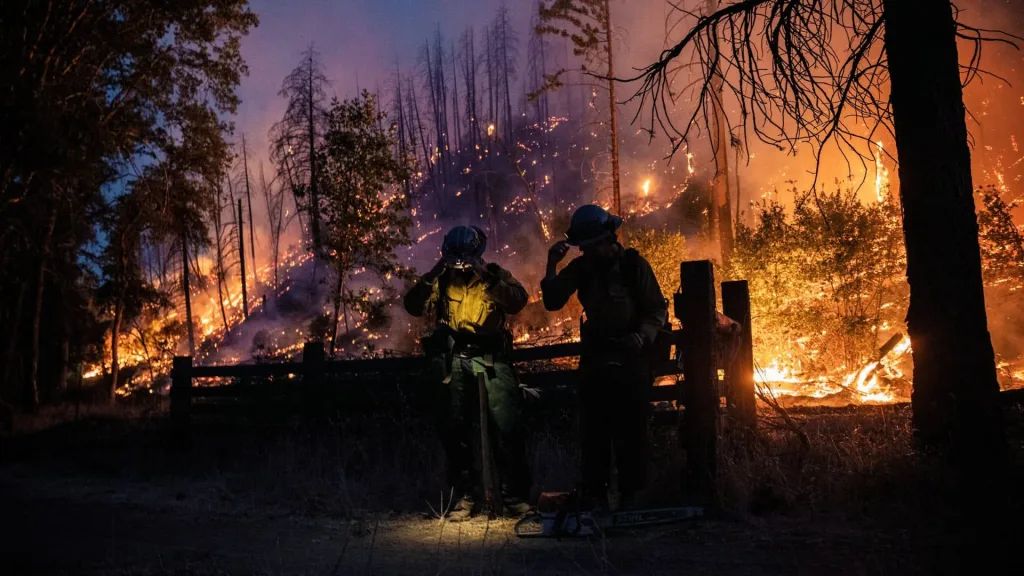
In a significant move aimed at enhancing consumer protection, California has become the first state in the U.S. to implement specific insurance standards for smoke damage claims. This groundbreaking legislation comes in the wake of devastating wildfires that have repeatedly ravaged the state, prompting lawmakers to take action to ensure homeowners are better supported in times of crisis.
The new law establishes clear guidelines that insurance companies must follow when assessing claims related to smoke damage. This is a crucial step for homeowners who often face challenges in receiving fair compensation after fire-related incidents. With these standards in place, policyholders can expect a more transparent process, reducing the uncertainty that often accompanies insurance claims.
Why This Matters for Homeowners
For many Californians, wildfires are not just seasonal threats; they are a reality that can lead to significant property damage. The introduction of these standards is not only a protective measure but also a response to an increasing demand for accountability within the insurance industry. Homeowners now have a clearer path to understanding their rights and the obligations of their insurers, which is vital in a state where wildfires have become more frequent and intense.
Moreover, this law may prompt other states to follow suit, creating a nationwide shift toward more rigorous standards for smoke damage claims. As the effects of climate change continue to escalate, the need for comprehensive insurance reforms is more critical than ever.
What’s Next for Insurance Reform?
While this legislation marks a significant step forward, the conversation around insurance reform is far from over. Stakeholders, including insurance companies and consumer advocacy groups, will need to collaborate to ensure that these new standards are implemented effectively. Additionally, ongoing education for homeowners about their policies and the claims process will be essential to maximize the benefits of this reform.
As California leads the charge in establishing these standards, it sets a precedent for other states to consider similar measures. Homeowners deserve the peace of mind that comes with knowing their insurance protections are strong, especially in the face of natural disasters.