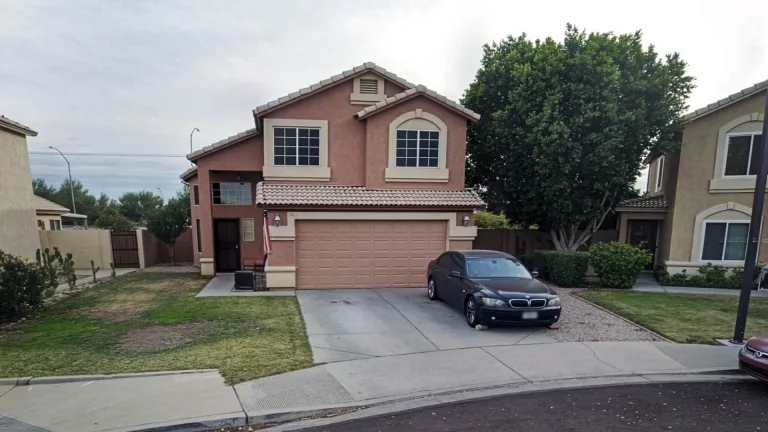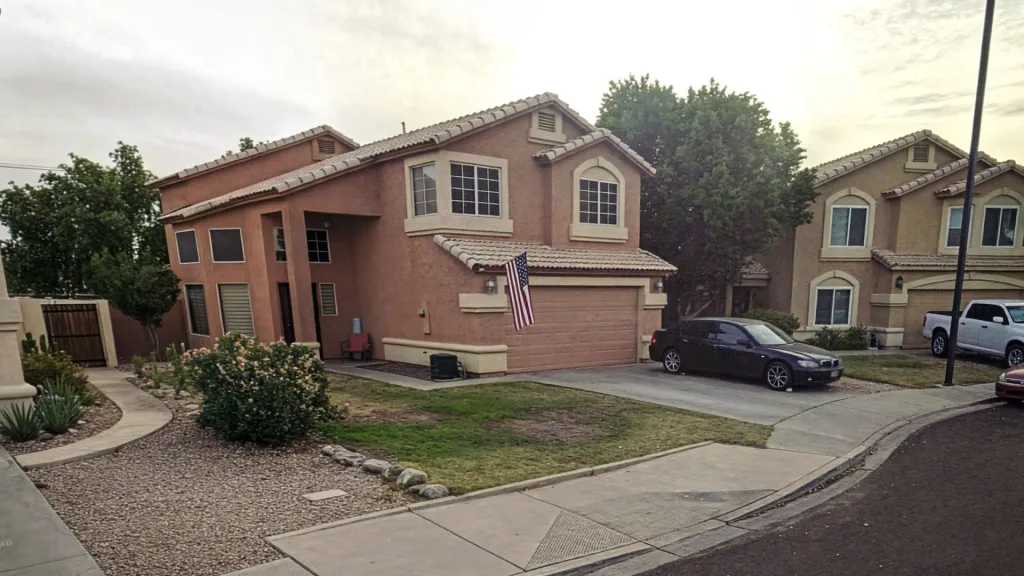
In a surprising turn of events, a homeowners association (HOA) in Arizona has decided to halt the foreclosure of a $475,000 home due to a homeowner’s $977 debt. This decision comes after significant public backlash and growing scrutiny over the HOA’s stringent enforcement practices. Toby Newton, the homeowner in question, had been embroiled in a lengthy conflict with the HOA over unpaid assessments that had accumulated over several years.
The dispute began when the HOA initiated foreclosure proceedings against Newton, threatening to take away his home because of the relatively small unpaid amount. The situation quickly gained national attention, sparking outrage among residents and advocates who criticized the HOA’s harsh measures. Many were appalled that a family could face the loss of their home over such a minor debt.
Community Response and Advocacy
In response to the controversy, local community members rallied around Newton, urging the HOA to reconsider its approach to debt collection. Social media campaigns quickly spread awareness of the situation, highlighting the broader issues surrounding HOA governance and homeowner rights. Advocates emphasized the need for more compassionate and reasonable measures when it comes to enforcing dues and assessments.
The HOA’s reversal of its foreclosure decision reflects the power of community advocacy and the growing demand for transparency in property management practices. Many homeowners associations operate with rules that can be perceived as overly punitive, raising questions about the balance between maintaining property values and protecting the rights of residents. This incident serves as a reminder of the potential consequences of such policies.
Implications for the Rental Market
This case raises important questions for landlords and property managers, particularly in the context of the rental market. The rights of both landlords and tenants are often tested in disputes over payments and property management practices. As more individuals and families face financial challenges, understanding the implications of HOA regulations becomes crucial for both homeowners and renters.
While the HOA’s decision to allow Newton to stay in his home is a victory for him and the community, it also highlights the need for ongoing dialogue about fair practices in property management. Landlords and property investors should remain informed about the evolving landscape of tenant rights and the importance of fostering positive relationships with residents.