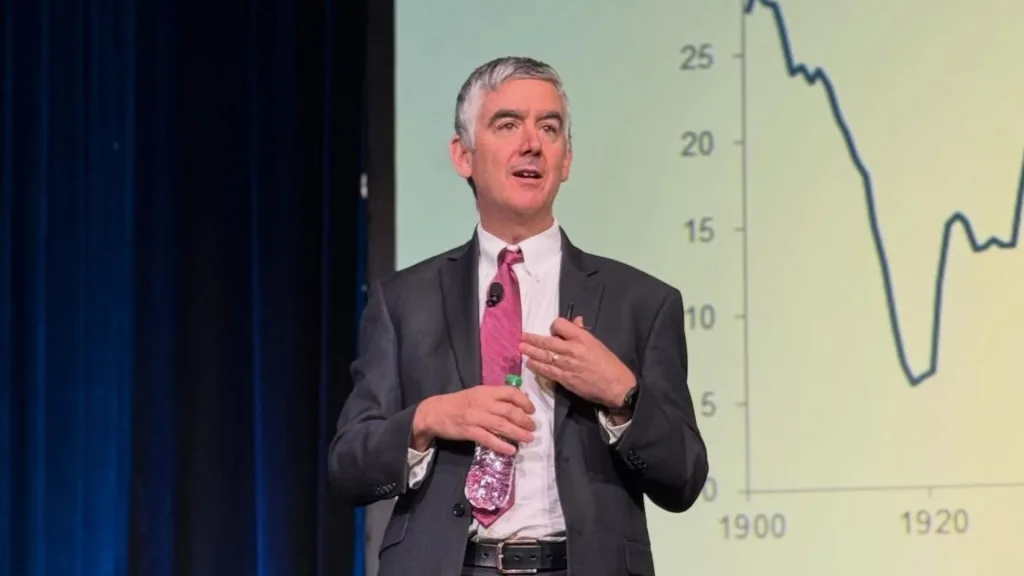
As the rental market continues to fluctuate, prospective homebuyers are bracing for a prolonged period of elevated mortgage rates. According to leading economist Mike Fratantoni of the Mortgage Bankers Association (MBA), mortgage rates are expected to remain above 7% through 2027, a trend largely attributed to ongoing inflation and significant budget deficits.
This forecast could have profound implications for landlords, tenants, and rental property investors. With higher borrowing costs, many potential buyers may find homeownership out of reach, leading to increased demand for rental properties. This surge in demand could result in higher rental prices, presenting both challenges and opportunities for landlords.
Impacts on the Rental Market
The sustained high mortgage rates are likely to keep many renters in their current homes longer, as they hesitate to enter a market with such steep financing costs. This could lead to a tighter rental market, where landlords may have the upper hand in negotiations, particularly in cities experiencing a high influx of new residents. For example, cities like Toronto and Vancouver are already seeing rising rental prices due to increasing demand.
Moreover, landlords may need to consider their own financial strategies in light of these projections. As rental income becomes more critical in offsetting property management expenses, maintaining competitive yet profitable rent prices will be essential. Understanding tenant rights and maintaining compliance with local rent control regulations will also be vital in navigating this evolving landscape.
What Landlords and Investors Should Consider
For landlords, the forecast by Fratantoni underscores the importance of strategic planning. As interest rates rise, the cost of financing new investments will likely increase as well. Investors should assess their portfolios and consider whether they can adapt to the changing environment. Investing in property management technology could help streamline operations and maximize rental income.
Furthermore, keeping an eye on local regulations and tenant rights is crucial, especially in a tightening rental market. Understanding the balance between landlord rights and tenant protections will be essential in maintaining good relationships and ensuring compliance.
As we move forward, property owners and investors must stay informed and agile, ready to respond to changes in the economy and rental market dynamics. The next few years may be challenging, but they also present opportunities for those prepared to adapt.