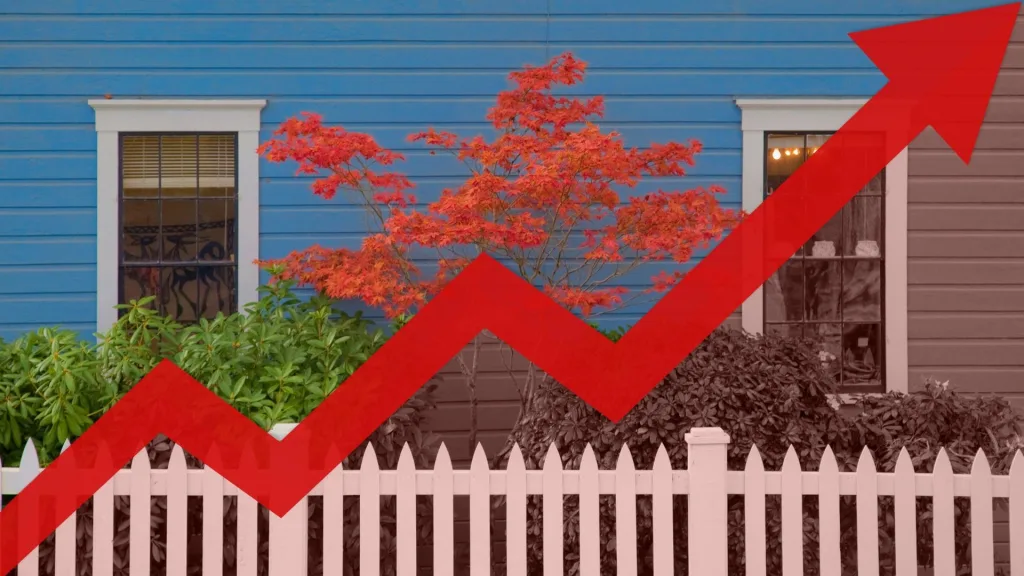
The landscape of mortgage rates has taken a sharp turn as the average rate for a 30-year fixed mortgage has surged to 7.28%, marking a significant reversal from the previous four weeks of decline. This sudden increase signals continued challenges for homebuyers and homeowners seeking to refinance amidst persistent inflationary pressures.
The recent spike in mortgage rates is primarily driven by stubborn inflation, which has remained resilient despite efforts from the Federal Reserve to stabilize the economy. As inflation continues to affect consumer prices, potential homebuyers are now faced with higher borrowing costs, which could dampen demand in the housing market.
Impact on Homebuyers and the Housing Market
For many, the rise in mortgage rates can translate to a heavier financial burden. A higher interest rate means increased monthly payments, making it more challenging for first-time buyers and those looking to upgrade their homes. According to industry experts, this shift could lead to a slowdown in housing sales as buyers reassess their financial capabilities.
Moreover, existing homeowners may also feel the pinch as refinancing options become less attractive. With rates climbing back to levels not seen in recent months, individuals looking to lower their current payments may find it difficult to justify refinancing when the cost outweighs the benefits.
A Bright Spot for Renters?
Interestingly, the rise in mortgage rates could provide a slight reprieve for renters. As potential buyers pull back from the market, rental demand may stabilize, potentially easing upward pressure on rental prices. This shift could be beneficial for those who have been struggling with rising housing costs.
While the current mortgage rate environment poses challenges, experts suggest that buyers should not rush into decisions. Taking time to weigh options and understanding the long-term implications of current rates could yield better outcomes in the future.