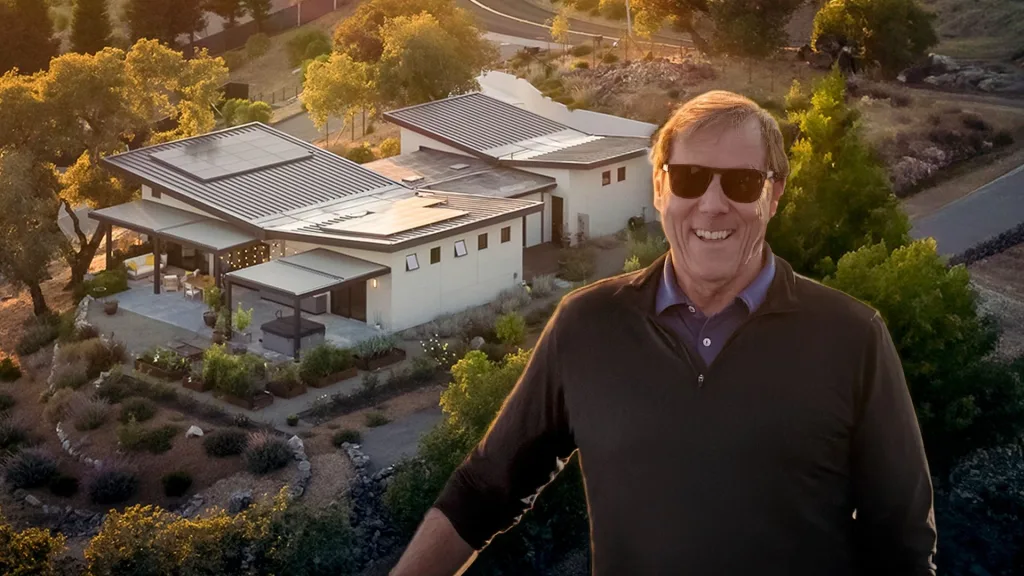
In a bold statement that has sparked significant conversation, Ken Calligar, a technology entrepreneur, has criticized Los Angeles’ trend of returning to wood framing for new construction projects following the devastating wildfires. After spending years advocating for innovative building materials and practices, Calligar believes that reverting to traditional wood structures is a dangerous move that could jeopardize safety and resilience in the face of climate change.
Calligar, who transitioned from a successful career in Wall Street banking to become a leading voice in construction technology, argues that the lessons learned from recent wildfires should drive a change in how we approach building. He emphasizes that the industry must prioritize fire-resistant materials and modern construction techniques that can withstand extreme weather events.
Rethinking Construction for a Safer Future
With wildfires becoming an increasingly common threat, Calligar’s call for change resonates with many experts in the field of elder care and senior living. As communities rebuild, it is imperative to consider safer structures that protect residents, especially in vulnerable populations such as seniors. The push for more resilient building practices aligns with the growing focus on aging in place solutions, where safety and comfort are paramount.
Calligar’s company has been at the forefront of developing alternatives to wood framing, advocating for materials that not only reduce fire risk but also improve energy efficiency. These innovations could significantly impact the future of senior living, particularly in areas prone to wildfires, such as Los Angeles.
Building for Tomorrow
The conversation surrounding construction practices is crucial, especially as more families explore options for senior living that prioritize safety and sustainability. According to industry experts, the integration of advanced materials in construction can lead to safer and healthier environments for older adults, allowing them to age in place with confidence.
As Los Angeles and other fire-prone regions reconsider their building strategies, Calligar’s insights prompt a necessary dialogue about the future of home construction. By embracing new technologies and materials, the goal should be to create not just attractive homes but also secure havens for everyone, especially our seniors.