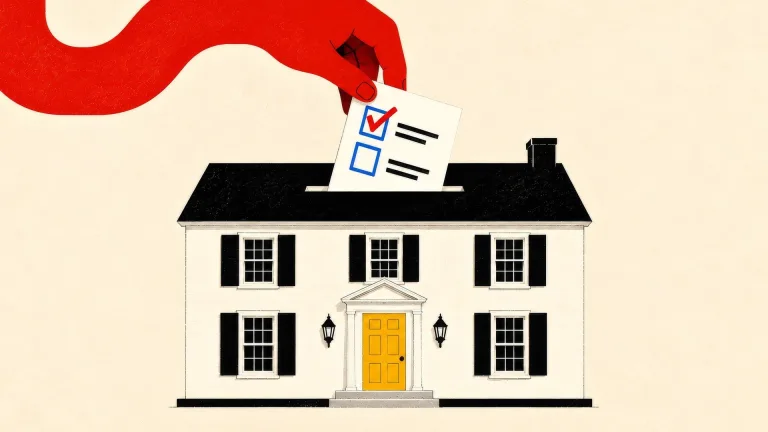
Wells Fargo is facing scrutiny from the Department of Housing and Urban Development (HUD) regarding its initiatives aimed at increasing Black homeownership. This probe raises critical questions about the effectiveness and fairness of the bank’s efforts in an industry long criticized for its racial disparities.
According to recent reports, the investigation centers on allegations that Wells Fargo’s practices may not align with fair housing laws designed to protect against discrimination. While the bank has publicly committed to enhancing Black homeownership, the HUD’s inquiry suggests that there may be underlying issues that need to be addressed.
Understanding the Implications
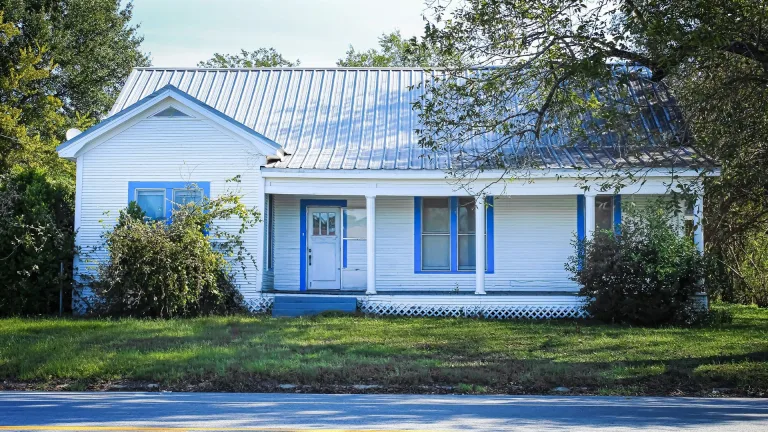
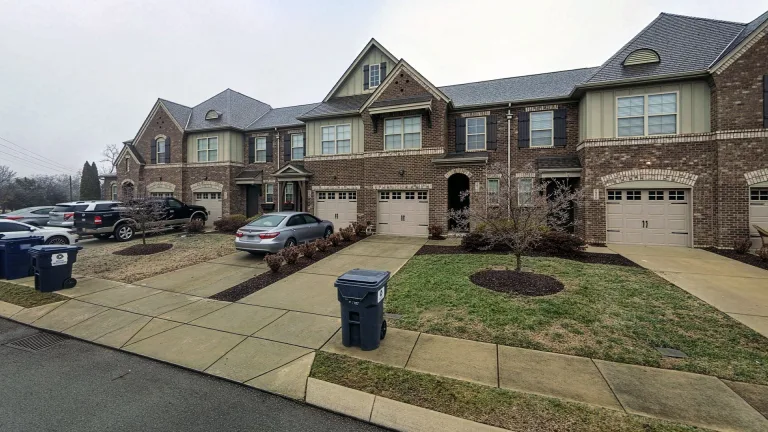
This investigation comes at a time when homeownership rates among Black Americans are significantly lower than their white counterparts. The disparities in access to credit, higher interest rates, and even discriminatory lending practices have historically hindered Black families from achieving homeownership.
Wells Fargo’s initiatives were initially met with optimism, as they promised to tackle these issues head-on. However, if found to be engaging in practices that compromise fair housing principles, the bank could face legal repercussions and further damage to its reputation.
What This Means for Home Buyers
For potential home buyers, particularly those in the Black community, this investigation serves as a reminder of the importance of understanding the lending landscape. It emphasizes the need for transparency and accountability in financial institutions, ensuring that all borrowers are treated equitably.
As the investigation unfolds, it will be crucial for Wells Fargo to demonstrate its commitment to fair lending practices and rectify any missteps. The outcome of this probe could potentially reshape the way banks approach minority homeownership initiatives in the future.