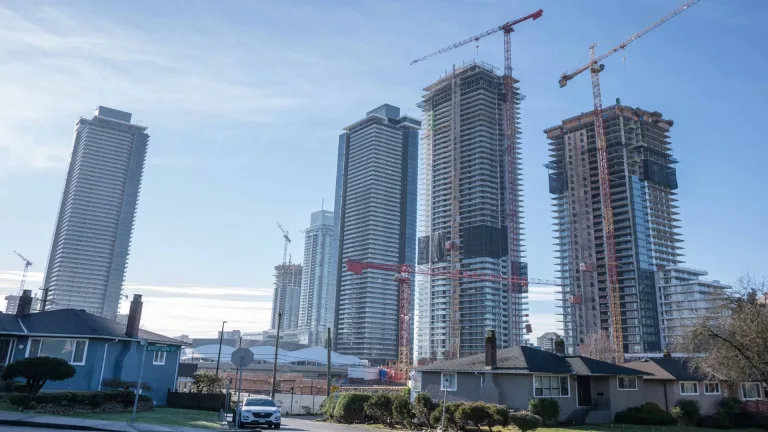
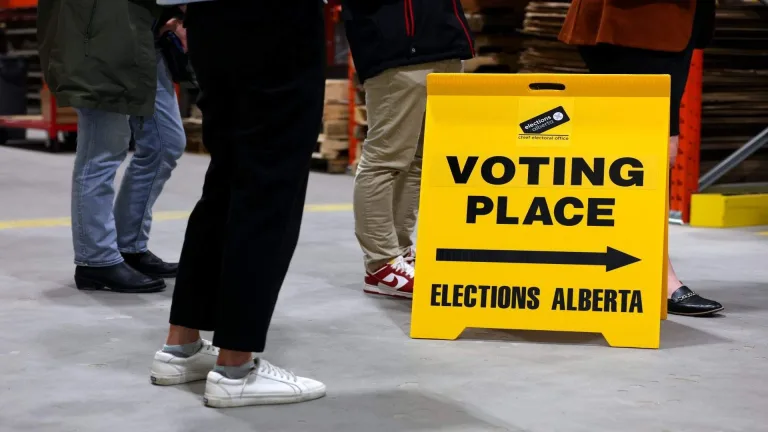
This year’s midterm elections are pivotal for homeowners, with voters in 10 states set to decide on significant housing ballot measures. Among these, six proposals aim to modify property taxes, which could impact budgets and housing markets across the nation.
As the landscape of real estate continues to evolve, homeowners must stay informed about these changes that could affect their financial responsibilities. These ballot measures not only address property taxes but also touch on various aspects of housing policy, making it crucial for homeowners to understand what’s at stake.
Key Changes to Property Taxes
The proposed changes to property taxes are varied and could provide financial relief for many. For instance, some measures aim to cap property tax increases, helping homeowners manage their expenses during times of economic uncertainty. Others may introduce exemptions for specific groups, such as seniors or low-income families, ensuring that those who need assistance the most receive it.
Furthermore, there are initiatives focused on transparency in property tax assessments, allowing homeowners to better understand how their taxes are calculated and to dispute unfair valuations more effectively. This level of clarity is essential as it empowers homeowners to advocate for their rights.
The Broader Impact on Housing Markets
Beyond property taxes, these ballot measures can significantly influence the overall housing market. Changes in taxation can affect purchasing power and demand, making it essential for potential buyers and current homeowners alike to monitor these developments closely. Additionally, as communities adapt to new tax structures, it could lead to shifts in neighborhood dynamics, affecting everything from local schools to public services.
Homeowners in cities like Toronto and across the country should engage with these upcoming measures. Understanding how they will vote can help shape a housing market that is both sustainable and equitable for all residents.