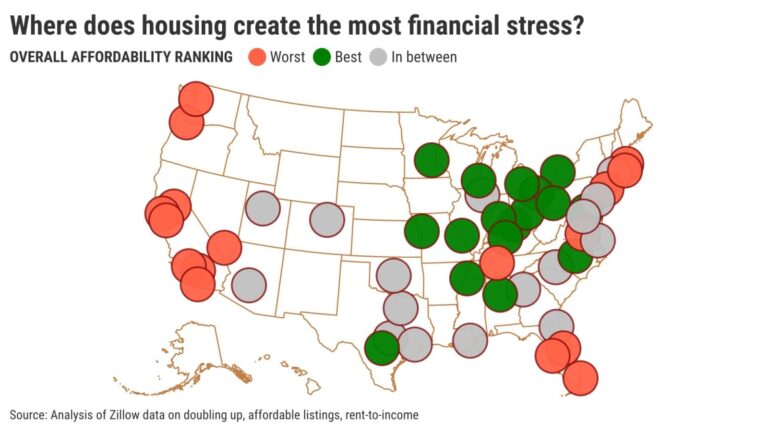
In a significant shift in travel policy, Florida is set to join states like California and Hawaii by raising tourism taxes starting in 2026. This increase aims to boost funding for local projects and enhance travel infrastructure, which could have widespread implications for both residents and businesses.
The new legislation will increase tourism taxes across various regions in Florida, targeting areas that heavily rely on tourism for their economic stability. As the tax rate goes up, the state government plans to allocate these funds towards improving public services, enhancing tourist attractions, and investing in sustainable travel initiatives. This change impacts not only visitors but also local residents who may see improvements in their communities as these funds are put to use.
For retirees—especially those considering a move to a sunnier location—this development holds considerable weight. Florida has long been a favored destination due to its warm climate, walkability, and relatively affordable real estate. However, with heightened tourism taxes, there may be a ripple effect on property values and costs of living, as local governments seek to fund infrastructure capable of supporting increased tourist traffic. It’s crucial for potential buyers to keep an eye on how these changes may affect the San Diego housing market, especially if they are aiming for a seamless transition to a vibrant community with stable real estate.
Moreover, for business owners and professionals contemplating long-term moves, understanding the implications of increased tourism taxes is essential. These taxes could influence both consumer behavior and business expenses, particularly for those in service industries catering to tourists. As Florida invests more in its infrastructure, businesses may experience fluctuations in their customer bases, which can impact overall profitability and growth potential.
This trend of increasing tourism taxes isn’t isolated to Florida; it reflects a broader movement across various states in the U.S. and Canada. With many regions recognizing the economic benefits of tourism, cities are adopting similar measures to fund community projects and improve quality of life. For retirees evaluating potential relocations, understanding these dynamics can help them make informed decisions about where to settle down.
As you consider your next steps, you might ask yourself:
1. What are current San Diego home prices and how do they compare to other sunny locations?
2. How might increased tourism taxes affect my retirement budget in Florida?
3. What factors should I assess when choosing a walkable community in a popular tourist destination?
Your future home should support not only your lifestyle preferences but also your financial goals. Being well-informed on these trends can empower you to make strategic choices for your retirement years.
——————–
En un cambio significativo en la política de viajes, Florida se unirá a estados como California y Hawái al aumentar los impuestos turísticos a partir de 2026. Este aumento tiene como objetivo aumentar la financiación para proyectos locales y mejorar la infraestructura turística, lo que podría tener amplias implicaciones tanto para residentes como para negocios.
La nueva legislación aumentará los impuestos turísticos en varias regiones de Florida, apuntando a áreas que dependen en gran medida del turismo para su estabilidad económica. A medida que la tasa impositiva aumente, el gobierno estatal planea asignar estos fondos para mejorar los servicios públicos, realzar las atracciones turísticas e invertir en iniciativas de turismo sostenible. Este cambio afecta no solo a los visitantes, sino también a los residentes locales que pueden ver mejoras en sus comunidades a medida que se utilizan estos fondos.
Para los jubilados, especialmente aquellos que consideran mudarse a un lugar más soleado, este desarrollo tiene un peso considerable. Florida ha sido durante mucho tiempo un destino favorito debido a su clima cálido, su accesibilidad y su mercado inmobiliario relativamente asequible. Sin embargo, con el aumento de los impuestos turísticos, puede haber un efecto dominó en los valores de propiedad y el costo de vida, ya que los gobiernos locales buscan financiar una infraestructura capaz de soportar el mayor tráfico turístico. Es crucial que los compradores potenciales estén atentos a cómo estos cambios pueden afectar el mercado de viviendas en San Diego, especialmente si buscan una transición sin problemas hacia una comunidad vibrante con un mercado inmobiliario estable.
Además, para los propietarios de negocios y profesionales que contemplan mudarse a largo plazo, comprender las implicaciones de los impuestos turísticos en aumento es esencial. Estos impuestos podrían influir tanto en el comportamiento del consumidor como en los gastos comerciales, particularmente para aquellos en industrias de servicios que atienden a turistas. A medida que Florida invierte más en su infraestructura, las empresas pueden experimentar fluctuaciones en sus bases de clientes, lo que puede afectar la rentabilidad general y el potencial de crecimiento.
Esta tendencia de aumentar los impuestos turísticos no está aislada en Florida; refleja un movimiento más amplio en varios estados de EE. UU. y Canadá. Con muchas regiones reconociendo los beneficios económicos del turismo, las ciudades están adoptando medidas similares para financiar proyectos comunitarios y mejorar la calidad de vida. Para los jubilados que evalúan posibles reubicaciones, entender estas dinámicas puede ayudarles a tomar decisiones informadas sobre dónde establecerse.
A medida que consideres tus próximos pasos, podrías preguntarte:
1. ¿Cuáles son los precios actuales de las viviendas en San Diego y cómo se comparan con otras ubicaciones soleadas?
2. ¿Cómo podría afectar el aumento de impuestos turísticos a mi presupuesto de jubilación en Florida?
3. ¿Qué factores debo evaluar al elegir una comunidad accesible en un destino turístico popular?
Tu futuro hogar debe apoyar no solo tus preferencias de estilo de vida, sino también tus objetivos financieros. Estar bien informado sobre estas tendencias puede empoderarte para tomar decisiones estratégicas para tus años de jubilación.
📰 Related coverage: