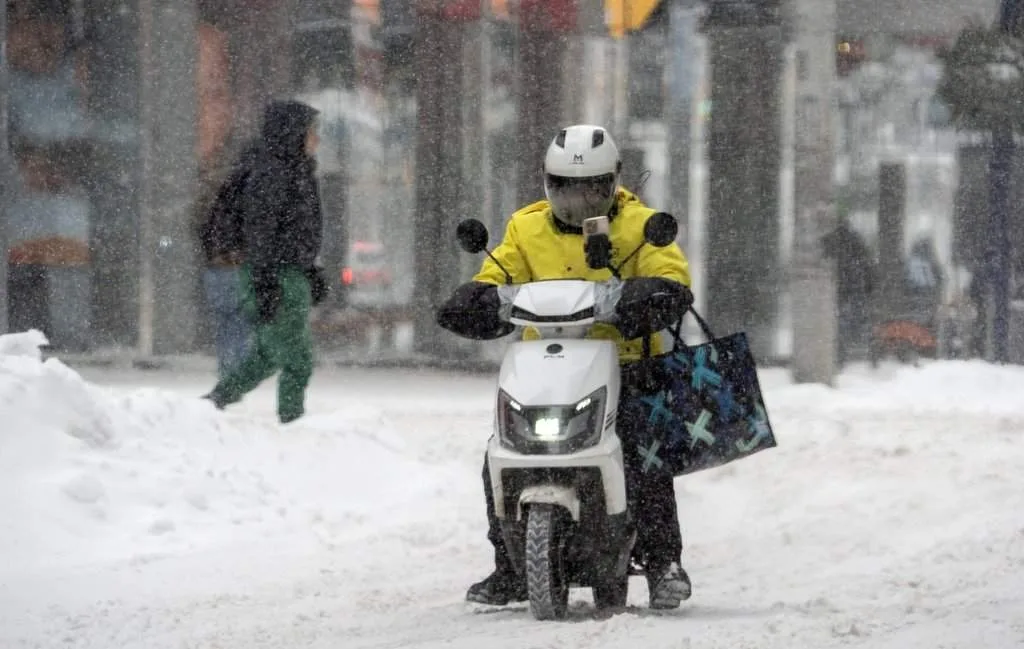
Ontario is preparing to implement new regulations that will significantly change the way motorcycle-style and scooter e-bikes are operated on its roads. As of this upcoming change, riders will be required to obtain a license, register their vehicles, and secure insurance, ensuring safer use of these increasingly popular modes of transportation.
The new rules aim to enhance safety in response to the growing number of e-bikes on Ontario roads. According to statistics, e-bike usage has surged in recent years, especially during the pandemic, as many people sought alternative commuting options. The Ministry of Transportation has noted that the rise in e-bike popularity has also been accompanied by a rise in accidents, prompting the need for stricter regulations.
Understanding the Changes
Under the new regulations, drivers will need to hold a valid motorcycle license to operate these e-bikes, which are classified more like traditional motorcycles than bicycles. This shift signifies a recognition of the potential hazards associated with high-speed electric vehicles that can reach speeds of up to 32 km/h (20 mph). In addition to licensing, riders will also need to register their e-bikes and carry insurance, similar to the requirements for conventional motor scooters.
Experts believe these changes will help reduce accidents and improve overall road safety. “With the increase in e-bike use, it’s essential that riders are educated and accountable for their vehicles, just like traditional motor vehicle operators,” says a spokesperson from the Ministry of Transportation.
Impact on Riders and the Community
For many, these regulations may present a hurdle, particularly for first-time buyers or those who view e-bikes as a more accessible mode of transportation. However, the potential benefits of increased safety on the roads could outweigh the drawbacks. Riders will need to familiarize themselves with the rules of the road, which may lead to a more responsible riding culture.
Additionally, these regulations could encourage manufacturers to improve safety features on e-bikes and promote better rider education programs. Communities may also see a shift in how e-bikes are integrated into their transportation planning, ensuring that infrastructure supports both traditional and electric riders.
The introduction of these regulations is expected to roll out soon, and local authorities will be tasked with enforcing these changes. Riders should stay informed about the specifics of the new laws to ensure compliance and promote safety on Ontario’s roads.
📰 Related coverage: