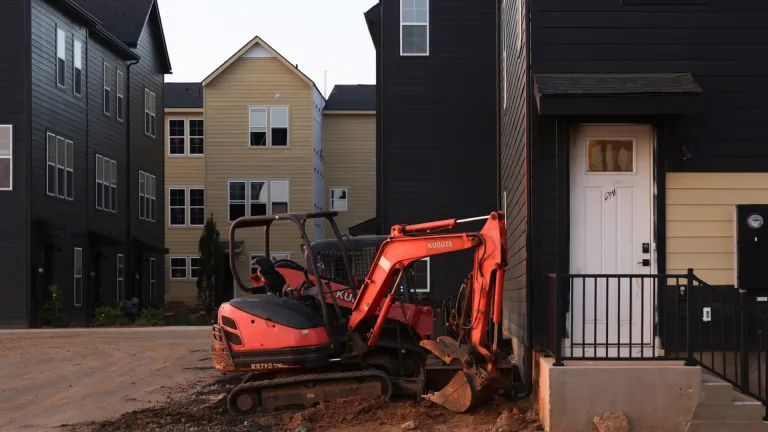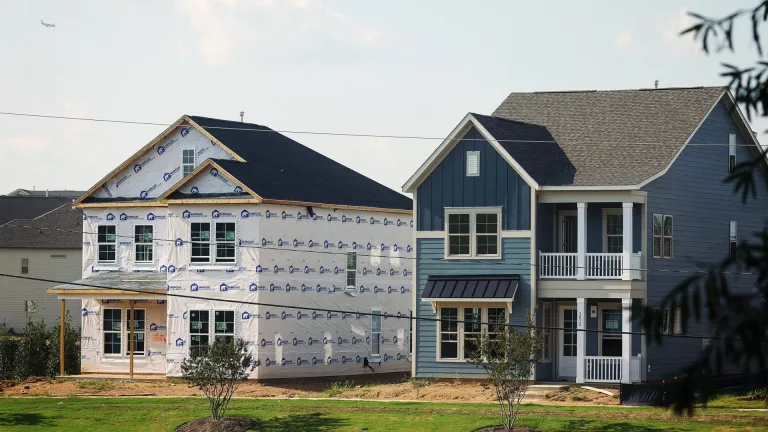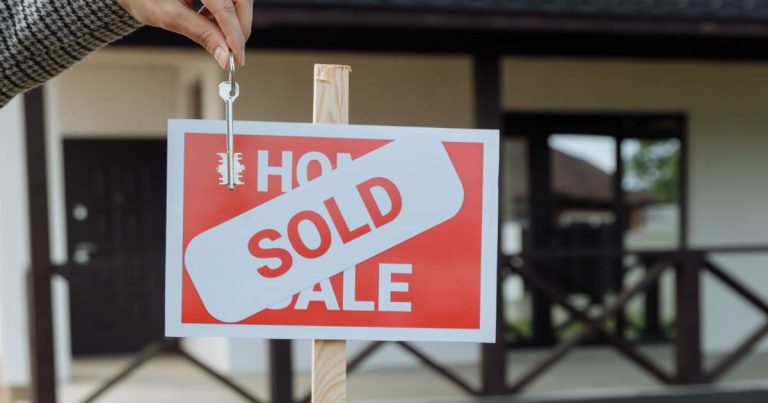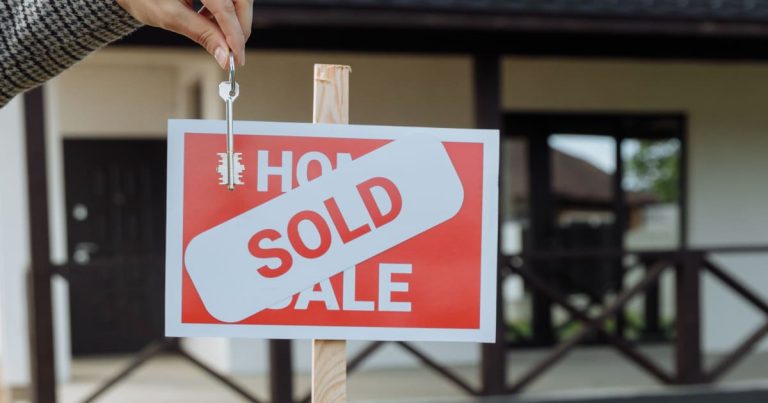
Metro Denver’s housing market entered 2026 with a significant downturn, as home sales in January were reported at the lowest level since 2008. The Denver Metro Association of Realtors noted that while pending sales remained strong, actual closings languished, reflecting a broader trend of uncertainty in the real estate market.
A combination of factors has contributed to this slowdown. Rising interest rates, coupled with a tight inventory of homes for sale, has created a challenging environment for both buyers and sellers. High borrowing costs have deterred many potential buyers, particularly in the midlife demographic who may be seeking to downsize or relocate for retirement. Sellers are also feeling the pinch, as the lack of demand can lead to prolonged listings and potential price reductions.
For midlife buyers and sellers, these market dynamics present both challenges and opportunities. On one hand, those looking to sell their homes may need to adjust their expectations regarding pricing and time on the market. As buyers become increasingly cautious, it’s imperative for sellers to present their homes competitively and to consider strategic pricing to attract serious offers. On the other hand, buyers seeking to enter or move within the market may find advantageous opportunities among the available inventory, especially if they can capitalize on homes that have lingered due to the current market conditions.
This trend is not isolated to Denver; across the United States, we see buyers grappling with higher interest rates leading to a cooling of housing markets that were previously red-hot. The National Association of Realtors reports similar patterns in major metropolitan areas, indicating that this slowdown might signal a transitional phase in the overall housing market.
As individuals explore their options, they might consider the following questions:
1. How can I best prepare my home for a competitive market?
2. What are the current trends in mortgage rates, and how might they affect my buying decisions?
3. Are there specific neighborhoods in my area that are less impacted by the current market conditions?
Staying informed and adaptable is key for buyers and sellers navigating these uncertain times. By focusing on their long-term goals and remaining financially aware, they can better position themselves for success in the evolving landscape of the housing market.
——————–
El mercado de la vivienda en el área metropolitana de Denver entró en 2026 con una caída significativa, ya que las ventas de viviendas en enero se reportaron en el nivel más bajo desde 2008. La Asociación de Agentes de Bienes Raíces del Área Metropolitana de Denver señaló que, si bien las ventas pendientes permanecieron fuertes, los cierres reales languidecieron, reflejando una tendencia más amplia de incertidumbre en el mercado inmobiliario.
Una combinación de factores ha contribuido a esta desaceleración. El aumento de las tasas de interés, junto con un inventario limitado de viviendas en venta, ha creado un entorno desafiante tanto para compradores como para vendedores. Los altos costos de financiación han desalentado a muchos compradores potenciales, particularmente en la demografía de mediana edad que podría estar buscando reducir su tamaño de vivienda o reubicarse para la jubilación. Los vendedores también están sintiendo la presión, ya que la falta de demanda puede llevar a listados prolongados y posibles reducciones de precios.
Para los compradores y vendedores de mediana edad, estas dinámicas del mercado presentan desafíos y oportunidades. Por un lado, aquellos que buscan vender sus casas pueden necesitar ajustar sus expectativas respecto al precio y al tiempo en el mercado. A medida que los compradores se vuelven más cautelosos, es imperativo para los vendedores presentar sus hogares de manera competitiva y considerar precios estratégicos para atraer ofertas serias. Por otro lado, los compradores que buscan ingresar o mudarse dentro del mercado pueden encontrar oportunidades ventajosas entre el inventario disponible, especialmente si pueden capitalizar en casas que han permanecido debido a las condiciones actuales del mercado.
Esta tendencia no está aislada a Denver; en todo Estados Unidos, vemos a los compradores lidiar con tasas de interés más altas, lo que lleva a un enfriamiento de los mercados de vivienda que anteriormente estaban en auge. La Asociación Nacional de Agentes de Bienes Raíces informa sobre patrones similares en áreas metropolitanas importantes, lo que indica que esta desaceleración podría señalar una fase de transición en el mercado inmobiliario en general.
A medida que las personas exploran sus opciones, podrían considerar las siguientes preguntas:
1. ¿Cómo puedo preparar mejor mi casa para un mercado competitivo?
2. ¿Cuáles son las tendencias actuales en las tasas hipotecarias y cómo podrían afectar mis decisiones de compra?
3. ¿Hay vecindarios específicos en mi área que estén menos impactados por las condiciones actuales del mercado?
Mantenerse informado y adaptable es clave para los compradores y vendedores que navegan en estos tiempos inciertos. Al centrarse en sus objetivos a largo plazo y mantenerse conscientes de lo financiero, pueden posicionarse mejor para tener éxito en el paisaje en evolución del mercado de viviendas.