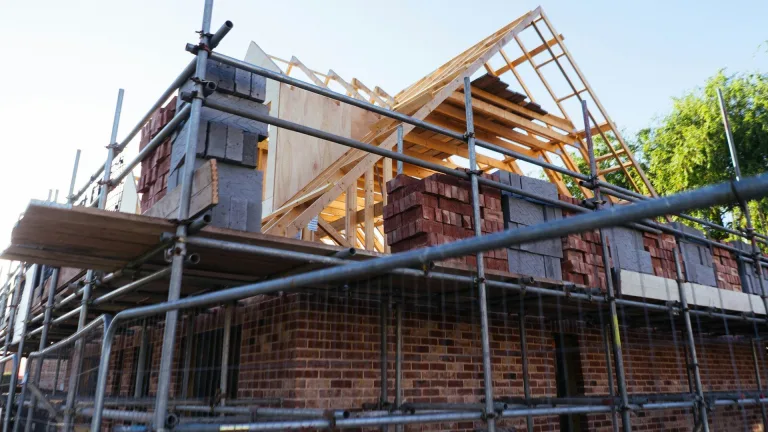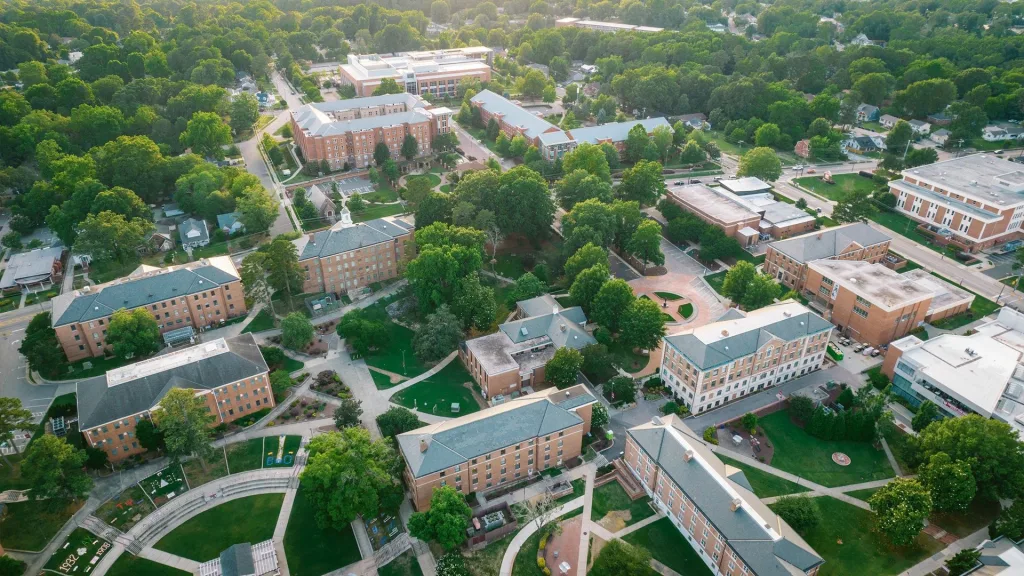
Recent trends indicate a significant oversupply of student housing in various college towns across the United States. As universities sought to accommodate growing enrollments, new apartment complexes have sprung up at a remarkable pace, leading to an unexpected challenge: too many available units.
In many university markets, the surge in new construction has outstripped demand, resulting in declining occupancy rates and falling rents. The influx of new student apartments is reshaping the landscape of college towns, creating a competitive environment that is forcing landlords to rethink their strategies.
Understanding the Oversupply Issue
For years, developers have capitalized on the ever-increasing student population, leading to a boom in student housing projects. Cities like Austin and Toronto have seen a wave of new developments, aiming to provide modern amenities and attractive living spaces. However, the reality is that the anticipated demand hasn’t materialized uniformly across these markets.
Many local economies are now grappling with the consequences of this oversupply. While some landlords are slashing rents to attract tenants, others are left with vacancies that impact their bottom line. This shift not only affects property owners but also influences the overall housing market in these areas.
The Impact on Future Developments
The current oversupply raises critical questions about future development strategies in college towns. Developers and investors will need to reassess their approaches to ensure sustainable growth. With interest rates on the rise, financing new projects may become more challenging, leading to a cautious stance among developers.
Some experts suggest that instead of focusing solely on new construction, stakeholders should explore alternative solutions. These may include converting existing properties to meet student needs better or implementing policies that encourage mixed-use developments, which can reduce the pressure on dedicated student housing.
This situation serves as a reminder of the cyclical nature of real estate markets. As college towns navigate this transitional period, adaptation and strategic planning will be vital for maintaining a balanced housing supply.