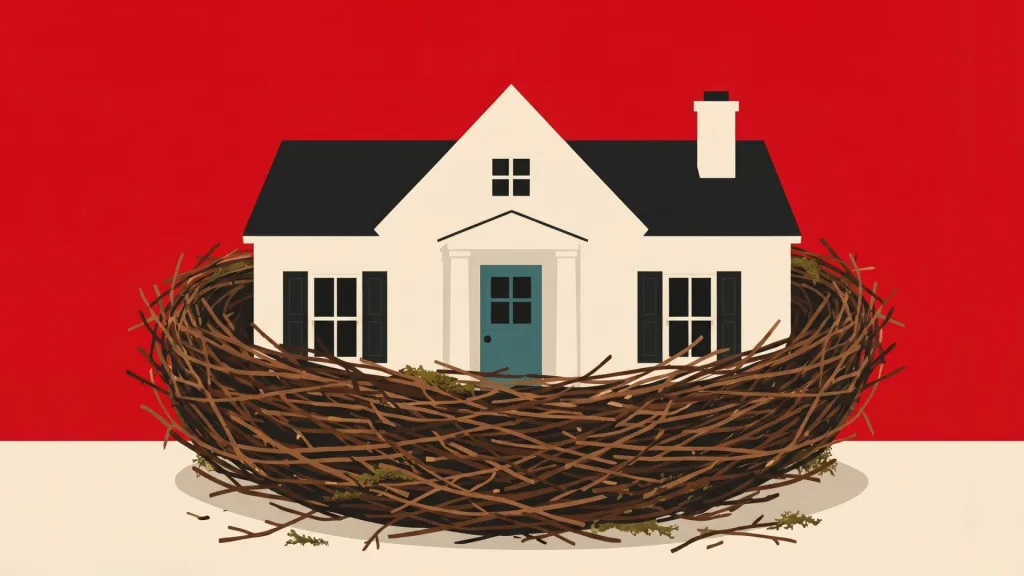
More than 10 million seniors in the United States are living in poverty, even while they collectively hold trillions of dollars in housing wealth, according to a new report from the AARP Foundation. This startling statistic highlights a significant disconnect between asset ownership and financial security for older Americans, raising questions about the sustainability of their living conditions.
The AARP Foundation’s analysis reveals that as housing and care costs continue to rise, many seniors find themselves struggling to make ends meet. The increasing burden of healthcare expenses and property taxes, coupled with limited income sources, is pushing a vulnerable demographic into financial distress.
The Wealth-Poverty Paradox
While many seniors own their homes outright or have significant equity, the financial pressures they face can be overwhelming. Homeownership is often seen as a financial safety net, but for many retirees, it does not translate into liquid assets. In fact, a significant portion of their wealth is tied up in their homes, leaving little room for flexibility in their budgets.
Moreover, traditional sources of retirement income, such as Social Security benefits, have not kept pace with the rising costs of living, particularly in urban areas where housing prices are skyrocketing. The report emphasizes that the average Social Security payment is insufficient to cover basic needs, pushing many seniors into poverty despite their wealth in property.
Understanding the Trends
As the housing market continues to fluctuate, property values may provide a short-term solution for some. However, accessing that wealth often requires selling their homes or taking on debt, options that many seniors are reluctant to pursue. This reluctance can stem from emotional ties to their homes or concerns about relocation and its implications.
Real estate experts suggest that creating more affordable housing options and financial education programs could help bridge the gap between housing wealth and poverty. Additionally, policies aimed at reducing the costs associated with healthcare and property taxes could provide much-needed relief for this demographic.
The plight of seniors in poverty amidst housing wealth serves as a critical reminder of the complexities surrounding financial security in retirement. Addressing these challenges is essential not only for the well-being of older Americans but also for the overall health of the housing market and economy.