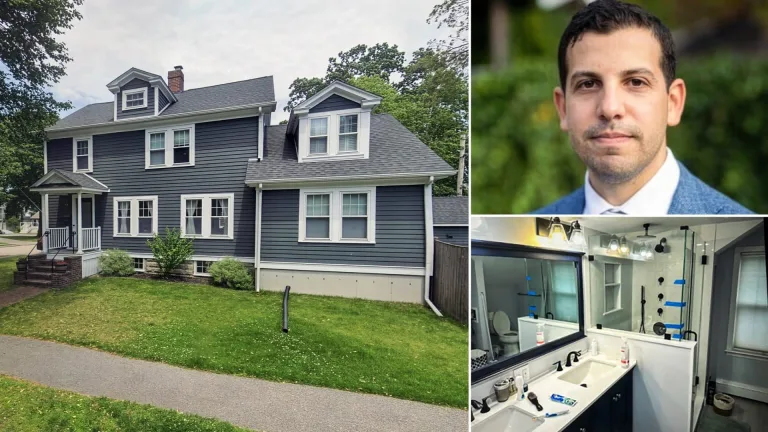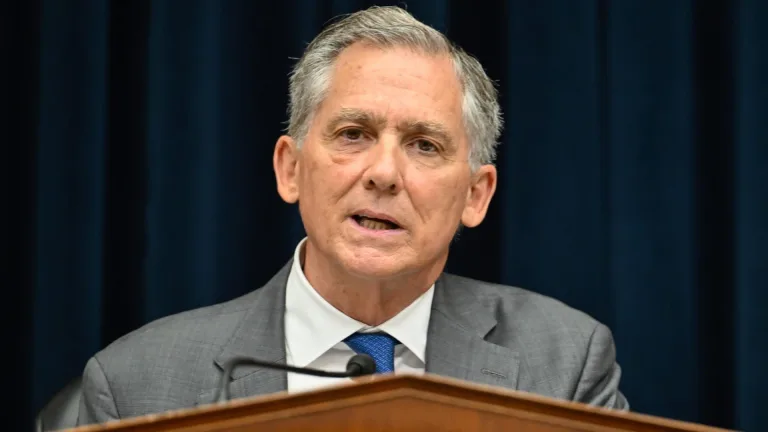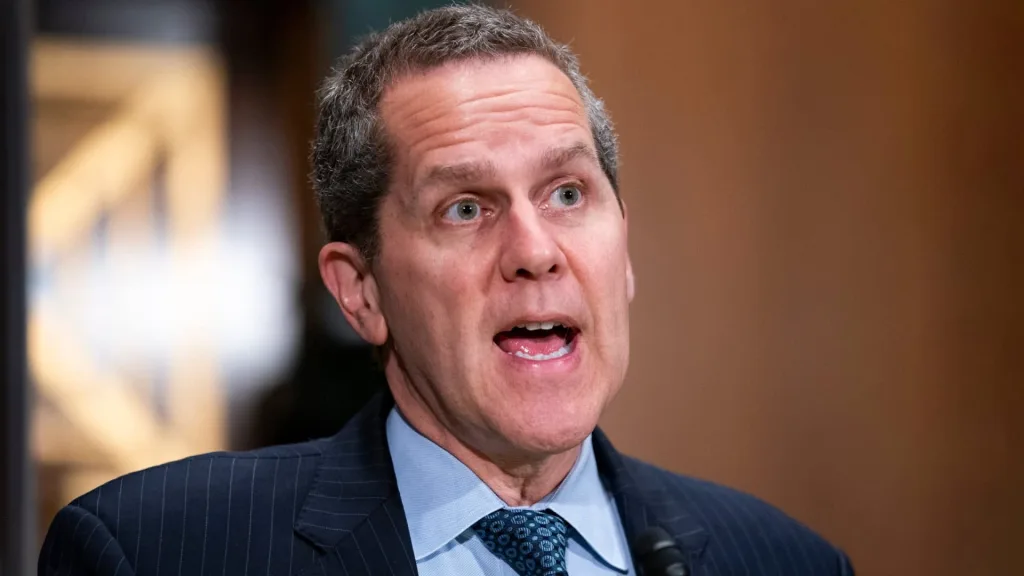
Recent comments from Federal Reserve Governor Michael S. Barr have raised alarm bells over the state of housing affordability in the United States. With affordability hitting a 21-year low, many Americans are feeling the strain of rising housing expenses that far outpace their earnings.
Barr’s remarks underscore a profound issue in today’s housing market: the widening gap between income growth and housing costs. According to data, while wages have seen modest increases, home prices and rent continue to surge, leaving many potential buyers and renters grappling with unsustainable financial burdens.
The Impact on Home Buying
This disconnect poses significant challenges for home buyers, especially first-time buyers who are often the most affected. Higher mortgage rates, coupled with escalating property values, mean that many are priced out of the market. The result is a shrinking pool of affordable housing options, which further exacerbates the crisis.
For real estate investors, the implications can be mixed. On one hand, rising prices can indicate a robust market; on the other hand, the risk of a downturn looms as affordability continues to decline. Investors must navigate these trends carefully to avoid potential pitfalls.
What Lies Ahead for the Market
Barr’s warning signals a critical juncture for the housing market. With the Federal Reserve potentially adjusting interest rates, both home buyers and sellers need to stay informed about upcoming changes. As affordability reaches concerning levels, it’s crucial for stakeholders to monitor how these economic factors will influence property values and overall market health.
In cities like Toronto and beyond, understanding these trends will be essential for making informed decisions in real estate transactions. With affordability challenges persisting, the urgency for innovative solutions to housing issues has never been greater.