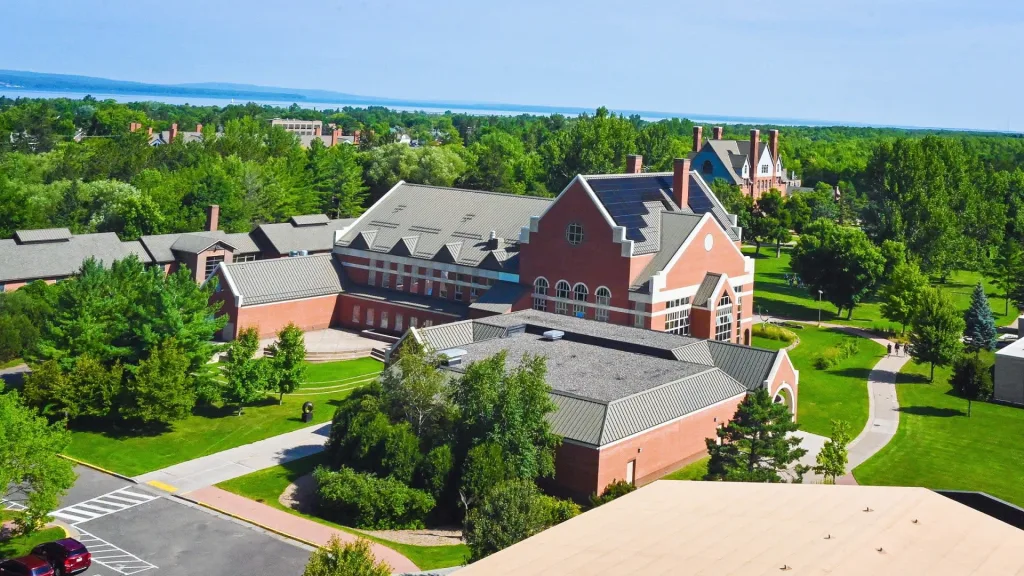
As college enrollments decline, small college towns are facing significant economic and social challenges. The impact of falling fertility rates and changing demographics means fewer students are attending universities, leading to a ripple effect in towns that rely heavily on these institutions.
Many small college towns experience a unique economic ecosystem centered around their educational institutions. When a college or university closes, the effects can be devastating. Businesses that cater to students, such as cafes, bookstores, and rental properties, often struggle to survive without their primary customer base. This not only affects local economies but also alters the community’s identity.
Economic Decline and Property Values
Recent studies show that towns with closed colleges see a significant decline in property values. Homes that were once sought after by students and faculty may sit on the market for longer periods, leading to a surplus of available housing. This shift can deter potential buyers and investors, further exacerbating the economic downturn.
For example, cities like Philadelphia and Buffalo have begun to grapple with these realities as enrollment numbers drop. The closure of a college often leads to a decrease in population, which in turn reduces demand for local services and infrastructure.
Community Resilience and Adaptation
While the decline of college enrollment poses challenges, many towns are seeking ways to adapt. Some are turning towards diversifying their economies by attracting new industries or enhancing their appeal to remote workers. This shift may help mitigate some of the negative impacts of declining student populations.
Community leaders are also advocating for initiatives that promote local businesses and attract tourists, which can provide a much-needed boost to the local economy. By focusing on community resilience, these towns aim to create a new identity that is less reliant on their colleges.
As the landscape of higher education continues to evolve, the long-term health of small college towns will depend on their ability to adapt and innovate. Engaging with emerging trends such as remote work and tourism could be key strategies for survival amid these shifting tides.