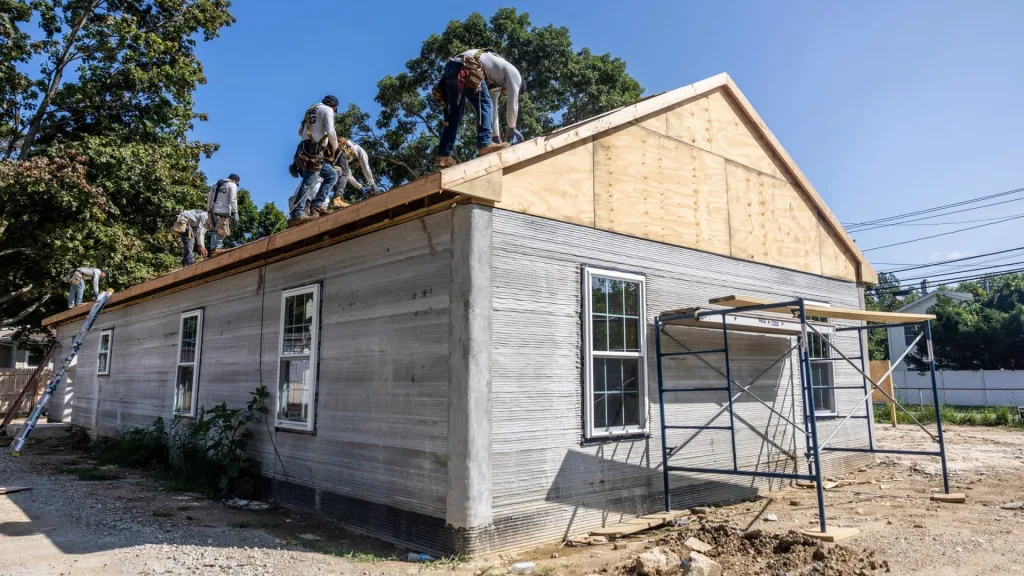
As the housing market faces ongoing challenges, nearly half of Americans express interest in purchasing a 3D-printed home. This innovative building method has sparked curiosity and debate about its viability as a mainstream housing option. But what does this really mean for potential homeowners?
3D-printed homes have emerged as a potential solution to rising housing costs, with proponents touting their affordability and efficiency. While traditional construction methods can take months or even years, these homes can be built in a fraction of the time, with some models completed within days. This speed could be a game-changer in addressing the housing crisis, particularly in areas with high demand and low supply.
Understanding the Costs and Benefits
Although 3D-printed homes are often marketed as a more affordable alternative, the reality may be more complex. Initial investments in 3D printing technology can be significant, and the total cost of a 3D-printed home may not always lead to savings when compared to conventional builds. Additionally, the long-term durability and maintenance of these structures are still under scrutiny.
On the plus side, 3D-printed homes can be more eco-friendly, as they often use sustainable materials and produce less waste. Furthermore, the ability to customize designs through digital modeling allows for greater personalization, appealing to a generation of buyers looking for unique living spaces.
Potential Drawbacks
Despite their advantages, 3D-printed homes come with challenges. Building codes and regulations vary widely across different regions, and many areas have yet to establish guidelines for 3D construction. This can lead to complications in obtaining permits and approvals. Additionally, the technology is still evolving, and potential homeowners may have limited options in terms of design and size.
For those interested in exploring this new frontier, it’s essential to conduct thorough research. Speak with experts in the construction field, understand local regulations, and consider the long-term implications of investing in a 3D-printed home. As this technology continues to develop, it may very well reshape the future of housing, but staying informed is crucial for prospective buyers.